

























































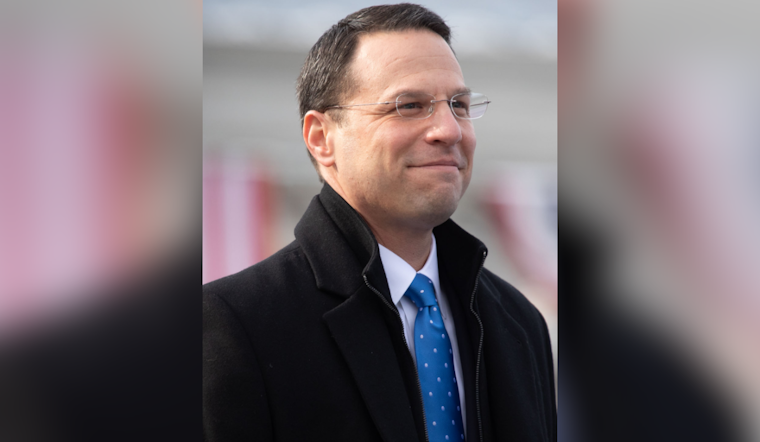
After dragging on for more than four months, Pennsylvania's budget impasse has finally seen its end. Gov. Josh Shapiro put his signature on a $50.09 billion budget, marking a close to the challenging stalemate. Paired with this news is the laborious compromise reached, one that will come to shape the fiscal path of Pennsylvania's economy and the lives of its residents. As reported by WTAE, the agreed plan, passed by a House vote of 156-47 and a Senate vote of 40-9, aims to channel substantial funds into public schools and social services.
A noticeable outcome from this budget, as Shapiro expressed, is the assurance to hold the line on critical investments. His initial budget proposal of $51.4 billion, introduced 281 days ago, met resistance from GOP lawmakers who were concerned about potentially excessive expenditures. Shapiro highlighted in a statement that this budget delivers without tapping into the rainy-day fund and retains a reserve of $8 billion, with concessions that include stepping away from the Regional Greenhouse Gas Initiative. Yet, as detailed by WPXI, even with the passage, the financial strain of the impasse is anticipated to continue through lingering cost-saving measures like spending freezes.
One significant relief arising from the passage is directed toward struggling households. According to a statement obtained by WTAE, State Sen. Jay Costa said families can look forward to an earned income tax credit that applies 10 percent of their federal amount to their state taxes, providing savings between $200 to $700.
The prolonged budget standoff created real-world repercussions, with local governments, schools, and non-profit groups facing furloughs and program cuts. Now, county officials are cautiously setting timelines to reverse these furloughs only after the state funds start flowing.



