

























































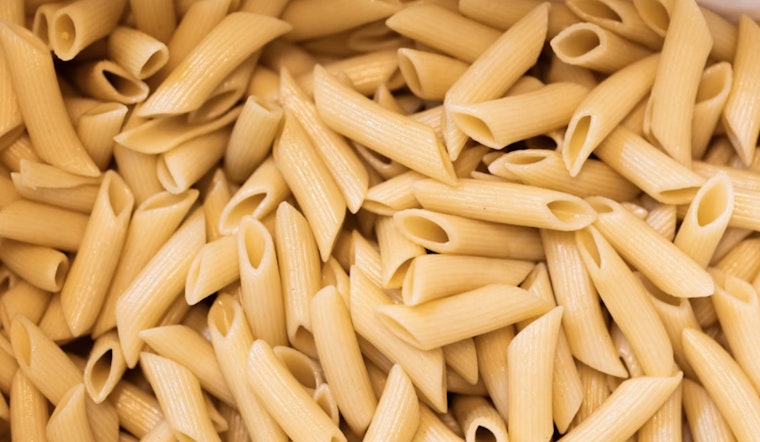
The landscape of Italian cuisine in the United States might be facing a drastic change, as a new trade proposal suggests imposing a 107% import tariff on Italian pasta. According to AZFamily, this significant increase is due to an additional 92% tariff proposed on the heels of a 15% tariff that's already in place. Brian Long, owner of the Phoenix-based Niccoli's Italian Grocery and Deli, expressed concern, noting that a vast majority of products on his shelves are imported, accounting for around 80% of the items sold.
The proposed tariffs are part of a broader contention over European subsidies, while some supporters believe it would create a more level playing field for American producers, others argue it places undue strain on small businesses and consumers. According to AZFamily, Long said, "It will have an effect on pasta immediately," as the business tries to navigate the delicate balance of maintaining inventory and managing costs.
On a national scale, as CBS News reported, some of the most recognized Italian pasta brands, such as La Molisana and Pastificio Lucio Garofalo, are targeted in the proposal. The Commerce Department investigation found these brands were selling their products below market prices in the U.S, leading to the proposed antidumping duty. Phil Lempert, a food industry analyst, suggested that this could lead to a very noticeable decline in available Italian pasta, potentially leaving pasta aisles half empty. "You don't have enough domestic manufacturing to fill up those shelves," Lempert said in a statement obtained by CBS News.
Reacting to concerns over the availability of Italian pasta, White House spokesperson Kush Desai said that the product is not "disappearing" from shelves and emphasized that the antidumping duty is not yet final. "The pasta makers still have several months to continue participating in this review before this preliminary finding becomes finalized," Desai told CBS News. Yet, the uncertainty has already led some brands to consider withdrawing from the U.S. market as early as January, as reported by the Wall Street Journal.
This matter extends beyond the U.S.-Italy trade axis, as American pasta makers have accused their Italian counterparts of unfair competition for years. The new tariff, if enacted, could mark a significant shift for Italian exporters who heavily depend on the American marketplace. According to trade data from the Observatory of Economic Complexity last year, the U.S. imported pasta from Italy valued at $684 million, signaling the magnitude of potential disruption this tariff could cause.





