

























































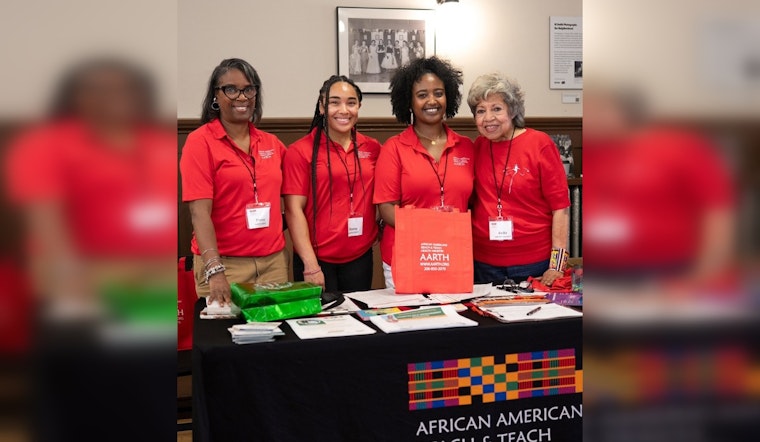
In the heart of Seattle, the African American Reach and Teach Health Ministry (AARTH), founded in 2002, stands out as a beacon of culturally attuned health education and advocacy for the city's Black communities. Born from the vision of African American faith leaders, AARTH has dedicated over two decades to addressing the health disparities that disproportionately affect Black individuals in Seattle, striving to mend the chasm of mistrust towards mainstream health institutions with culturally relevant services, according to the Seattle Human Services.
The organization's commitment to fostering a space where African Americans can access accurate health information and support is reflected in its continuous engagement with the community. A statement obtained by Seattle Human Services emphasized that today AARTH remains a pivotal bridge that connects public health systems and Afrocentric communities; it's a place where wellness is not just promoted but deeply intertwined with cultural values, knowledge is widely shared, not just among a few, and Black voices are not just heard but actively shape health policies that bear on their day-to-day lives and those of their families.
With a mission that extends beyond providing services, AARTH stands as an advocate and educational platform. Through its varied programs, the organization has consistently uplifted the principle that health education and support can be delivered with compassion, respect, and cultural resonance. They offer a variety of workshops and events designed to promote community knowledge and empower individuals within the community to take active roles in their health and well-being.
AARTH is addressing both immediate health needs and long-standing gaps in healthcare for African American communities. The organization develops culturally centered wellness programs and advocacy efforts, aiming to improve health equity and rebuild trust in public health institutions. Through these initiatives, AARTH works to ensure that healthcare services are more responsive to the cultural and historical contexts that shape community health.





