

























































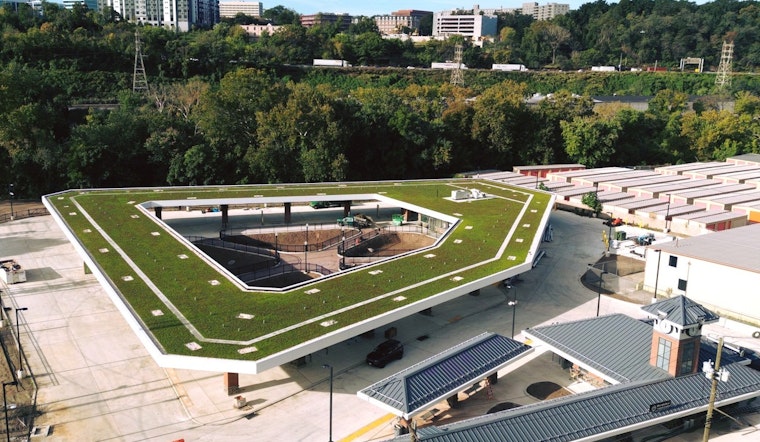
SEPTA has announced the impending launch of the new, state-of-the-art Wissahickon Transit Center, promising to enhance the bus service experience for commuters in Philadelphia. As detailed in a social media post by the Southeastern Pennsylvania Transportation Authority, the upgraded facility is slated to bolster convenience and reliability for passengers utilizing 11 bus routes and will accommodate the upcoming Direct Bus Phase B service.
The transit center's revamp is set to offer a slew of amenities aimed at improving customer satisfaction, including weather-protected waiting areas and benches where riders can rest in comfort away from the elements, bicycle racks for eco-conscious commuters, and exclusive ADA-compliant boarding and alighting zones for each bus route, the initiatives are part of SEPTA's broader efforts to ameliorate transit infrastructure across its network, providing tangible improvements that directly address the needs of daily users.
In addition to comfort, the Wissahickon Transit Center targets major enhancements in safety. Among them are upgraded lighting systems intended to brighten evening commutes and increase visibility, as well as new signage that aims to streamline navigation through the center. Advanced security cameras and a supervisor's booth are also being installed to bolster the sense of security for travelers passing through, in a move to foster a safer transit environment. The additions were highlighted by SEPTA in their recent announcement.
With the tagline "#ISEPTAPHILLY #HowWeRoll," SEPTA's message on social media reveals an anticipation for progress and a commitment to serving the city's mobilized populace, the carefully planned improvements signal a forward-thinking approach to urban transit; they aim to not only meet current demands but facilitate a smoother integration of future services, effectively carving a path for a more interconnected and robust transportation framework in Philadelphia.




