

























































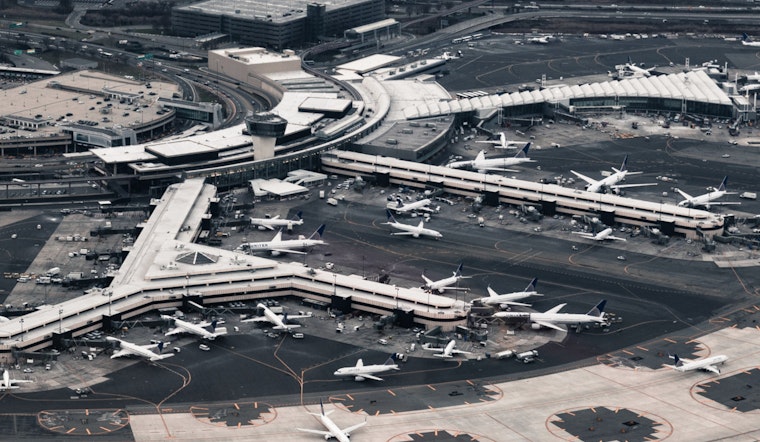
Passengers navigating Newark Liberty International Airport yesterday found themselves caught in a web of delays due to staffing shortages in the air traffic control tower. The Federal Aviation Administration reported that arrivals were limited to 20 planes per hour in the afternoon, as relayed by Gothamist. These shortages stem from an expansive strain on the nation’s air traffic system, exacerbated by the federal government shutdown.
The ripple effect of the constraints at Newark is not localized, with potential delays spreading to nearby JFK and LaGuardia airports. Average delays hovered around two hours, with prospects of escalating into a full ground stop if the staffing concerns persist and demand heightens. The domino effect of these delays may trigger holds at origin airports for flights destined for Newark and delay subsequent departures from the airport, PIX11 reported.
In the thick of the logistical turmoil, House Democratic Leader Hakeem Jeffries criticized the Republican response to the government shutdown while appearing on CNN’s “State of the Union.” He pointed out, “They fired more than 200,000 federal employees prior to them shutting the government down on Oct. 1,” and questioned the Republican reluctance to engage in bipartisan discussions for a solution, as Gothamist captured.
Travelers continue to be advised to check flight statuses before heading to the airport and brace for extended wait times. A spokesperson for NYC Emergency Management underscored the impact of the ongoing shutdown on airport operations, stating to PIX11, “Anyone flying today should check flight status before heading to the airport and expect longer waits.” New York City officials also warned that such disruptions are known to affect the entire region, potentially causing widespread travel distress.
Beyond delays, the current aviation atmosphere in the New York area included an incident at LaGuardia, where a United plane clipped another on the tarmac. Combined with the government shutdown-driven staffing shortages, air travel in the region faces a period of heightened challenges and disrupted commutes.



.jpg)