

























































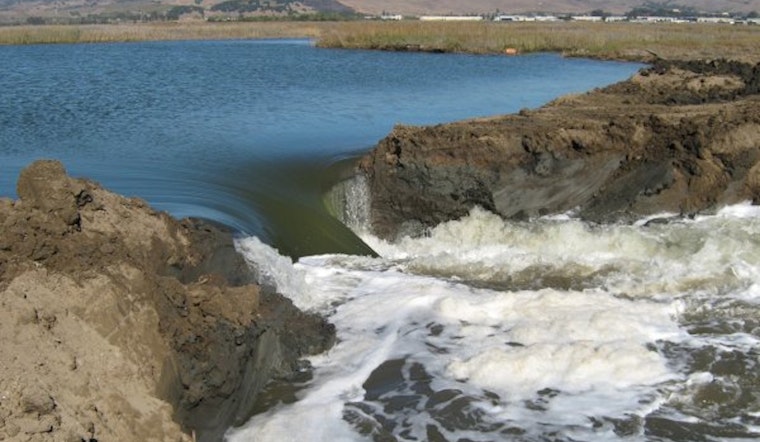
The Environmental Protection Agency on Monday rolled out a proposed rewrite of what counts as "waters of the United States" under the Clean Water Act, a move that could shrink federal safeguards for wetlands and small streams that help shield places like Sonoma from flooding and pollution. Federal officials say they are aiming for clarity and lower permitting costs for landowners, while conservation groups warn the change would pull protections from waterways that quietly clean drinking supplies, blunt storm impacts and keep wildlife alive. The proposal now heads into a short public-comment window before any final decision.
According to the EPA, the draft rule would focus federal jurisdiction mainly on "relatively permanent" standing or continuously flowing waters, such as rivers, lakes and perennial streams, plus wetlands that have a continuous surface connection to those waters. The agency says the proposal clarifies key terms, keeps existing exclusions for certain ditches and prior-converted cropland, adds a new exclusion for groundwater, and will be published in the Federal Register with at least a 45-day public-comment period.
What the Proposal Would Change
As reported by The Associated Press, EPA Administrator Lee Zeldin said the plan "fully implement[s] the direction provided by the Supreme Court" in Sackett v. EPA, the 2023 ruling that narrowed federal authority over adjacent wetlands. In practice, that would mean many seasonal, intermittent and isolated wetlands lose federal coverage unless they visibly touch a jurisdictional water year after year. For wetlands that flicker in and out with the seasons, that is a high bar.
Local And Climate Risks
In California, where an estimated 80 percent of stream miles are intermittent or ephemeral, those changes could pull federal support from waterways that buffer communities and ecosystems. CalMatters notes that vernal pools and seasonal creeks that support fish, birds and groundwater recharge are especially vulnerable, and groups such as the Environmental Defense Fund argue the proposal would increase flood and drinking-water risks. In a statement, EDF called the move likely to "increase flood risk and weaken protections for critical habitats." That is the kind of warning that rings loudly in wetland-dependent areas like Sonoma.
Who Is Cheering And Who Is Alarmed
Supporters are framing the rule as long-awaited relief for property owners and farmers who say they have been tangled in red tape for years. As The Associated Press reported, the Pacific Legal Foundation and farm groups praised the proposal for bringing certainty, while conservation organizations say the same language hands an opening to developers and industries to fill or drain wetlands. Expect a flurry of lawsuits, dueling press releases and public-comment campaigns as both sides race to define what this rule really means for wetlands on the ground.
How To Weigh In And What Is Next
The EPA says the formal notice will appear in the Federal Register and that the proposed rule will be open for public comment for 45 days, with two hybrid public meetings planned. Details and filing instructions are posted on the agency's WOTUS information pages. See the EPA for links to the official docket and meeting dates. Comments filed during the window will be reviewed before the agencies move to a final rule, so anyone with a stake in wetlands, from Sonoma to the state line, will have a relatively brief chance to sound off.
Legal Outlook
The proposal leans directly on the Supreme Court's Sackett decision as its legal foundation, and that will shape how judges assess the inevitable challenges. Legal analysts, along with past experience with earlier WOTUS rollbacks, suggest the package could trigger immediate lawsuits from environmental groups and some states, with counter-suits or formal support from farm and business interests. That could restart the cycle of shifting definitions that has kept regulators, landowners and conservationists guessing for years. For background on the 2023 high-court ruling, see the court opinion at LII and reporting from national outlets tracking the litigation.



