

























































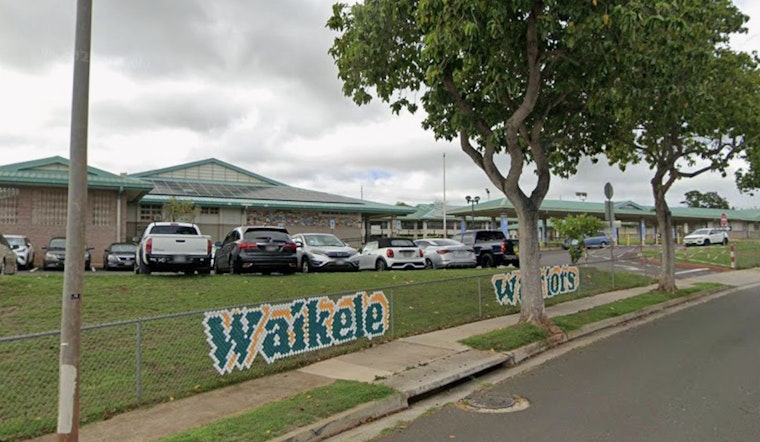
Hawaii’s academy movement had a banner year at the National Career Academy Coalition’s annual conference, where Oʻahu and neighbor‑island programs racked up top national accolades. Waikele Elementary set a national first at the elementary level, Kohala High landed a rare nod for a small rural campus, and Waipahu High’s ʻOhana of Excellence took home a special award spotlighting inclusive pathways. Educators say the wins reflect a K–12 pipeline that now ties early classroom learning to real college and career opportunities.
Source: Google Street View
NCAC’s 2025 honors underscore statewide momentum
The National Career Academy Coalition’s 2025 Model Academies list includes multiple Hawaii programs among the most fully implemented academies in the country, naming entries from Castle, Kapolei, Waipahu and Waiākea on its public roster. According to the NCAC, those schools earned “Model” or “Model With Distinction” classifications after review against the organization’s National Standards of Practice. The NCAC posts the year’s scores and listings as a reference for districts and partners.
Waikele and Kohala make history
Waikele Elementary became the first elementary school in the nation to earn the NCAC’s “Model with Distinction” status for its Academy Pathway, which weaves career‑connected learning into the earliest grades. The Hawaiʻi State Department of Education quoted Principal Sheldon Oshio: “I’m very proud of our students, families, and the entire faculty and staff of Waikele.” The department also noted that Kohala High is the first small, rural high school in the nation to earn an NCAC model academy designation — a milestone local leaders say shows the academy model can thrive across diverse communities.
Which Hawaii programs were recognized
Hawaii’s entries span elementary, freshman and full high‑school academy models, reflecting both targeted and wall‑to‑wall configurations across islands. For 2025, the NCAC list includes James B. Castle, Kapolei, Waipahu and Waiākea among schools receiving national recognition, illustrating how district and complex‑area strategies have pushed career‑connected practices onto more campuses. Conference sessions and school tours highlighted how Hawaii sites structure work‑based learning and tap community partnerships for students.
Early college and inclusive pathways
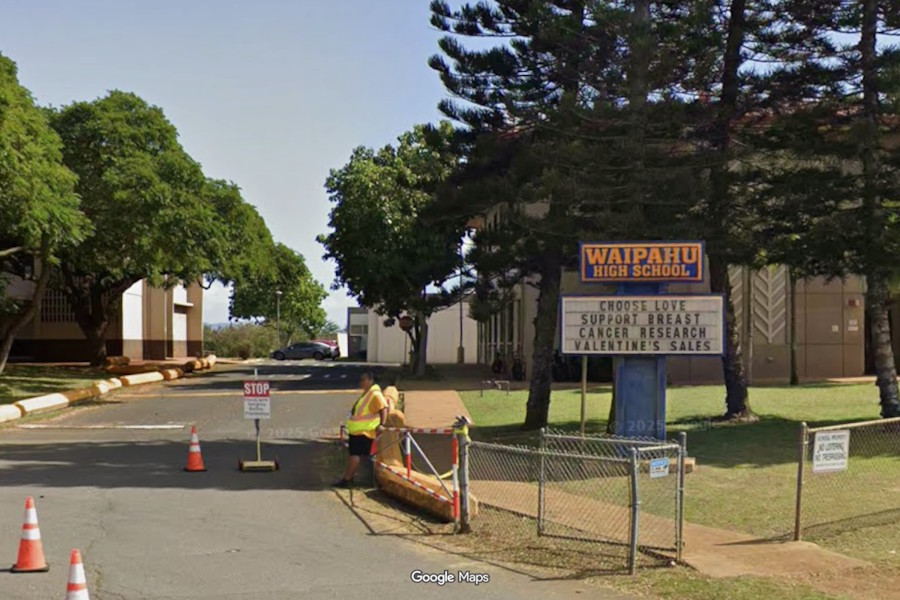
Waipahu High’s ʻOhana of Excellence Academy earned the NCAC’s inaugural North Star Award after a special‑education cohort became the first in HIDOE to earn college credit through an Early College course with Windward Community College. Waipahu High School documents the cohort’s Professional Employment Preparation class and details how the campus is expanding early‑college options that open postsecondary pathways for students on both certificate and diploma tracks. Administrators credit community‑college and employer partnerships with helping students move into jobs and further study.
What the awards mean for students and employers
Local reporting and state materials frame these honors as part of a broader shift: Hawaii public schools now count dozens of nationally recognized academies, suggesting a system that’s building predictable pathways from kindergarten through early college. As reported by the Honolulu Star‑Advertiser, the spread of model and wall‑to‑wall academies makes it easier for employers and postsecondary partners to collaborate with schools — and for students to earn credits and industry credentials before graduation. Superintendent Keith Hayashi was also honored at the NCAC conference with the Charles Bowser Leadership Award for expanding the academy model statewide.
Bottom line: The NCAC recognitions offer a real‑time snapshot of how Hawaii districts are reworking curriculum, schedules and partnerships to connect students to careers earlier — and to do so more equitably. Next up, school leaders say, is scaling what works so more campuses, from Honolulu to the Big Island, can offer hands‑on, credit‑bearing opportunities for every learner.





