

























































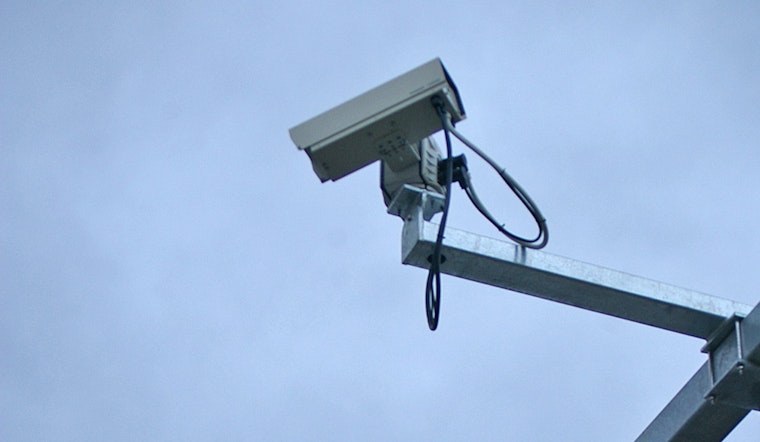
Amid apprehensions about privacy and the potential misuse of law enforcement surveillance tools, Washington County has found itself at the center of a nuanced debate over Flock cameras, devices meant to aid in combating property crimes but which also evoke broader concerns about civil liberties.
At a county commissioner meeting, Washington County Sheriff Caprice Massey sought to dispel fears that the data collected by these cameras, which are equipped to read license plates but lack facial recognition capabilities, would be shared with federal immigration enforcement. According to KATU, Massey emphasized the cameras' role in local crime-fighting efforts: "We are using Flock cameras responsibly and effectively to enhance public safety and combat organized retail crime." In contrast to certain anxieties, she confirmed, "We do not share with any agencies outside the state of Oregon. And we do not share with federal partners."
However, the American Civil Liberties Union (ACLU) of Oregon and other advocacy groups have pressed for more stringent regulations and transparency, citing the potential for these technologies to be repurposed in ways that might infringe on the rights of various communities, including immigrants. An ACLU representative expressed to KOIN 6 News, "The expansion of mass surveillance tactics and tech like Flock by law enforcement raises serious questions about our state and federal constitutional rights to be free from unreasonable searches that invade our privacy."
Commissioner Pam Treece acknowledged these layers of concerns during the meeting, as reported by KPTV: "There is just an extreme level of concern in our community about surveillance and how surveillance is being handled," Treece said. "I think the term flock ... is something that has come to mean a tool that ICE employs for surveillance."
The balance between leveraging technology for public safety and preserving individual privacy rights remains a tightrope walk for law enforcement agencies and the locales they serve. Response to the situation in surrounding areas like Eugene and Springfield, which paused their camera programs after public pushback, underscores the broader ambivalence. Sheriff Massey and the district attorney are scheduled for detailed discussions and a meeting with the ACLU to further address these critical issues.





