

























































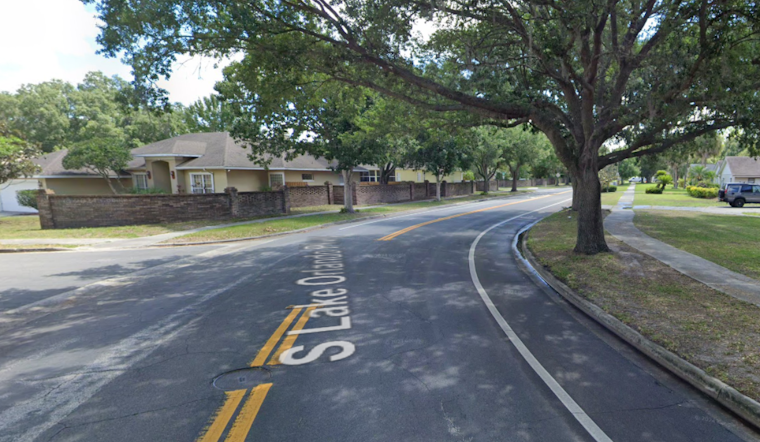
Lake Orlando residents have been advised to avoid contact with the water after an estimated 10,000 gallons of raw sewage spilled into the area, as confirmed by city officials. The spill, which occurred near the 3900 block of South Lake Orlando Parkway, was the result of a contractor for AT&T accidentally striking a sewer force main during underground work. The incident led to sewage overflowing into nearby private stormwater retention ponds, affecting the lake ecosystem.
As reported by WFTV, the overflow took place when the contractor conducting a private directional drilling project unintentionally hit the City of Orlando sewer pipeline. Residents around Lake Orlando are now being warned to halt any water contact activities, including irrigation, and are alerted by the placement of warning signs around the lake about the sewage spill.
In a statement obtained by ClickOrlando, residents Mark and Cyndi Martin described waking up to contaminated water behind their home. "It is like opening a port-a-potty and walking in," Cyndi Martin said. "That smell that you get from a port-a-potty." The complaint underscores the unpleasant reality the community faces, from the foul odors to the potential health hazards.
AT&T acknowledged the spill, attributing the incident to what they believed was caused by inaccurate underground utility markings. "In this case, as soon as our contractor was aware of the damage, the local utility provider was notified so that repairs could be made as quickly as possible," the company stated, according to a ClickOrlando report. The Martins, living next to a sewer plant, expressed ongoing concerns about the environmental impacts and the lingering odors they fear will persist even after the water is drained.
The City of Orlando's Water Reclamation Division has responded to the incident, halting the overflow and repairing the damaged sewer pipe. A contractor is working on recapturing the spilt sewage from the private ponds to minimize the impact on the lake. Additionally, city personnel are monitoring the situation by collecting water samples to test for E. coli counts.





