

























































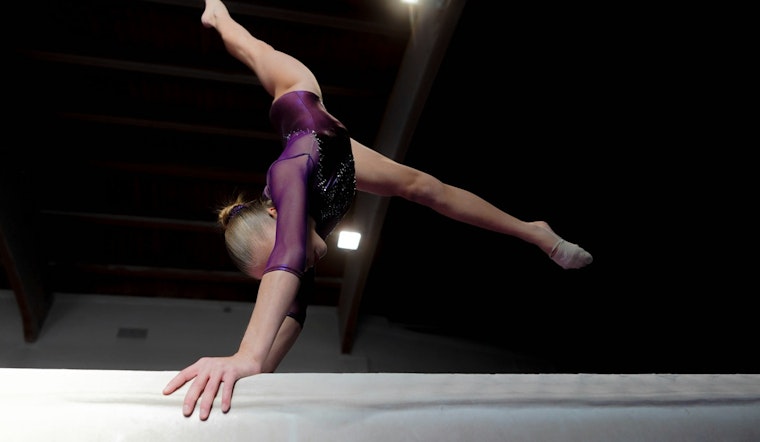
In a move that's bound to stir up conversations, State Representative Selina Bliss of Arizona is pushing for a ballot measure to delineate school sports by biological sex and to safeguard privacy for girls in locker rooms and showers. The proposal, known as HCR2003 or the Protect Girls’ Sports in Arizona Act, seeks to fortify the previously enacted, but partially obstructed 2022 Save Women’s Sports Act after the Ninth Circuit Court of Appeals struck down parts of it. According to a press release from Bliss's office, the resolution, if passed, would land on the November 2026 ballot and compel schools and sports associations to classify teams as either male, female, or co-ed, making determinations based on the sex recorded on an athlete's original birth certificate.
The act brought forward by Representative Bliss, a Republican serving Legislative District 1 in Yavapai County and also holding the position of Chairman of the House Health and Human Services Committee, extends its reach to all school associated sports entities and emphasizes additional privacy measures for female facilities, Bliss asserts that clarity in sports designations is rooted in "basic fairness," and that the referral lets students "compete safely and on fair terms," in a statement, sports, she suggests, play a crucial role in developing confidence, discipline, and healthful habits among youth, particularly girls who should not face the risk of losing out on opportunities to athletes with inherent physical advantages due to biological differences.
The proposition is not unique to Arizona—with 27 states already having enacted similar laws, this resurgence of gender-related athletic policies has become a recurrent theme across the United States. In light of various lawsuits generating a patchwork of policies, the absence of consistent rules has raised concerns and litigation-related confusion for students, schools, and their families, with some like Arizona caught amidst flux, and now the United States Supreme Court is expected to deliver a decision on the topic by next year, it might shed light on the national direction for school sports and gender identification.
While the canvassing for voters' sanction gains traction, Bliss believes the democratic process is crucial, expressing, "Voters should decide this issue and give young women the opportunities they deserve," these sentiments ring parallel as other states like Colorado, Maine, Washington, and Nevada are engaging in comparable ballot initiatives, with Bliss hoping the passage of the referral would solidify female athletes' rights and confer a sense of continuity that court rulings have hitherto failed to guarantee—"Passing this referral will protect female athletes and give families confidence that the rules will not shift again in court," Bliss championed, with a firm stance that now is the time to "keep girls’ sports female in our state." For updates and Bliss's viewpoint on this and health-related legislative action, her social media handle on X platform reads @SelinaBliss.





