

























































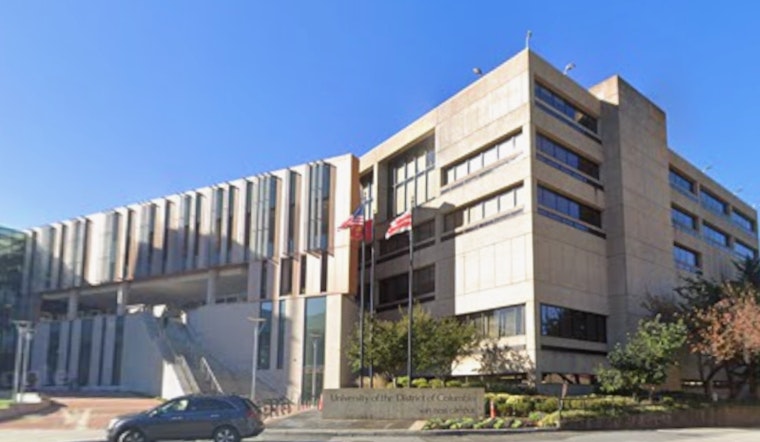
Washington, D.C., is revealing some compelling educational results. The Bowser Administration, in conjunction with the city's Office of Education Through Employment Pathways (ETEP), has released a report detailing the economic benefits of earning a bachelor's degree from the University of the District of Columbia (UDC). The figures are impressive: a UDC bachelor's holder can expect an average lifetime earnings boost of $1.9 million over a high school graduate. The report, backed by data from the U.S. Census Bureau's Post-Secondary Employment Outcomes project and partially funded by the Strada Education Foundation, serves as a first-time glimpse into real earnings data for UDC graduates.
"UDC is a critical part of a District resident’s path to economic mobility, and I am thrilled to see these results reaffirm that role," said Deputy Mayor Paul Kihn, in confirming the university's growing stature in the area. Across various disciplines, the report points to UDC as an educational powerhouse, particularly in health fields, computer and information sciences, engineering, education, and accounting. Data reveal that within a year of donning their caps and gowns, graduates from 18 out of 22 UDC programs were earning more than a living wage, as reported by Mayor Bowser's office.
The report goes even further, shedding light on the broader impact of a UDC education in the local workforce. Around half of health-related graduates find themselves playing a role in the District's healthcare sector five years post-commencement. Yet, there seems to be room for growth, as less than 10% of those with education degrees are employed in D.C.'s education sector after a year, indicating potential untapped opportunities in local educational engagement.
As part of the city's efforts to bolster the connection between education and employment, the Bowser Administration has been proactive, recently channeling a cool $1 million into UDC's Student Success Center to magnify their advising capacity and improve graduation rates. An additional $1.7 million is being funneled into the Pathways to Behavioral Health program, meshing education with direct pathways to fulfilling careers in D.C. schools. "This work demonstrates what is possible when we measure our success not only on graduation, but real-world outcomes," commented Monica Dodge, Executive Director of the Office of Education Through Employment Pathways, as noted by the press release.
The explosion of career-connected education partnerships has solidified UDC as a lynchpin in the region’s development strategy into a true talent incubator. Noteworthy collaborative programs like the impending launch of the DC Fire and EMS–UDC Paramedic Program, the active OSSE Apprenticeship in Teaching, and targeted training endeavors through the PEPCO Utility Training Program reveal the administration's focused drive to marry academic rigor with market realities. “They affirm that the vast majority of UDC’s academic programs lead to strong job opportunities, competitive wages and a meaningful return on investment. In addition, this transparency helps prospective students make informed choices about their educational and career paths. We appreciate our long partnership with the DME and this new tool that strengthens how we communicate the value of a UDC education to the District community,” UDC's Chief Academic Officer April Massey added, according to a release from Mayor Bowser's office.
Those seeking more detailed information on the ETEP report and related educational research can access additional resources through the District of Columbia’s official website under the research and publications section.





