

























































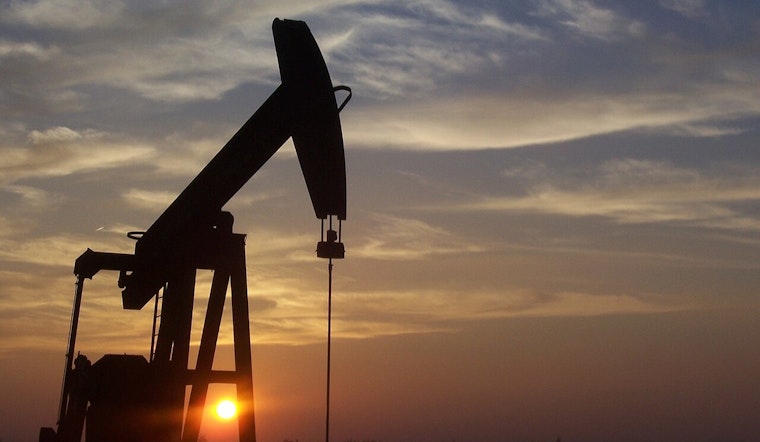
Chevron has quietly put the brakes on a high-profile courtroom clash over so-called "zombie" oil wells in West Texas, confidentially settling the Antina Ranch lawsuit that had threatened to force major drillers to pick up the tab for costly repairs across the region. The settlement, which pulls a January 2026 trial off the calendar, closes the legal chapter on a 1960s-era well that began spewing salty, toxic water in June 2021 on rancher Ashley Watt's 22,000-acre property.
According to the Houston Chronicle, Chevron said the dispute was resolved "subject to a mutually agreed confidential settlement," and confirmed the case is over. The suit stemmed from the 2021 leak that first caught Watt's eye, and by the time it was headed toward trial, she had overseen more than 100 excavations as part of the pretrial investigation. Legal observers had been watching closely, saying the trial could have seta fresh precedent on who pays when decades-old plugged wells fail.
How Antina Turned Into A Bigger West Texas Headache
National reporting has framed Antina as an especially dramatic example of a much broader Permian Basin problem. Experts say rising underground pressures and the region's massive wastewater injection can effectively wake up old plugs, letting produced water, hydrocarbons and even naturally occurring radioactive material creep toward the surface. Bloomberg detailed how owner Ashley Watt and well-integrity specialist Hawk Dunlap linked multiple leaks to wells drilled decades ago, turning what started as a private ranch dispute into a public health and land-use warning sign. Their pressure tests, sampling, and excavations are part of what convinced many attorneys that the case deserved a full airing in court.
Sky-High Fixes And The Public Tab
When things go wrong, the bill climbs fast. The San Antonio Express-News reported that one December 2023 blowout cost about $2.5 million to plug, and the Railroad Commission has since asked for more money to deal with similar emergencies. Those eye-popping jobs help explain why landowners and counties are pressing for tougher oversight and why some plaintiffs are turning to the courts when state and industry responses feel too slow or too small.
Even under normal circumstances, plugging a single onshore well is not cheap. Federal guidance has put a "low cost" estimate near $20,000 and a high end around $145,000, depending on how deep and complicated the well is, and recent reporting has chronicled plenty of projects landing well into six-figure territory. NPR coverage of plugging programs and federal funding has highlighted how state bond and surety systems often do not cover the full tab, leaving gaps that can fall on landowners or taxpayers.
What Chevron's Quiet Deal Does Not Answer
Because the settlement terms are confidential, no one outside the negotiating room knows whether Chevron agreed to any on-site cleanup, long-term monitoring, or payments that might influence how legacy wells are handled across Texas. The Houston Chronicle reported that attorneys and experts had viewed the case as a potential turning point on operator responsibility for wells that were plugged decades ago. For ranchers and regulators in the Permian, the deal closes one high-stakes case while leaving the bigger technical and policy debates unresolved.
Regulators And Lawmakers Feel The Heat
On paper, state agencies still have the power to order plugging and remediation, but the tools and funding behind that authority are feeling the strain. Texas Tribune reporting has tracked how the Railroad Commission's orphan-well program and recent funding requests reflect a system bumping up against its limits. Legislators and county officials are likely to face growing pressure for clearer financial guarantees from operators or expanded public programs to cover emergency plugs. How Austin juggles industry interests, landowner protections, and taxpayer exposure will help determine whether Antina is a one-off saga or a preview of broader reform.
Why This Hits Home For Texans
Beyond the legal filings, the Antina case spotlighted a blunt reality on the ground: contaminated groundwater and wrecked pasture do not respect corporate timelines or tidy property lines, and a century of drilling across the Permian means a lot of potential trouble spots scattered through rural communities. Outlets such as the Dallas News have documented similar incidents in West Texas, and Chevron's settlement is likely to fuel more lawsuits, fresh legislative interes,t and tighter regulatory scrutiny as Texans argue over who pays to tame the next "zombie" well.





