

























































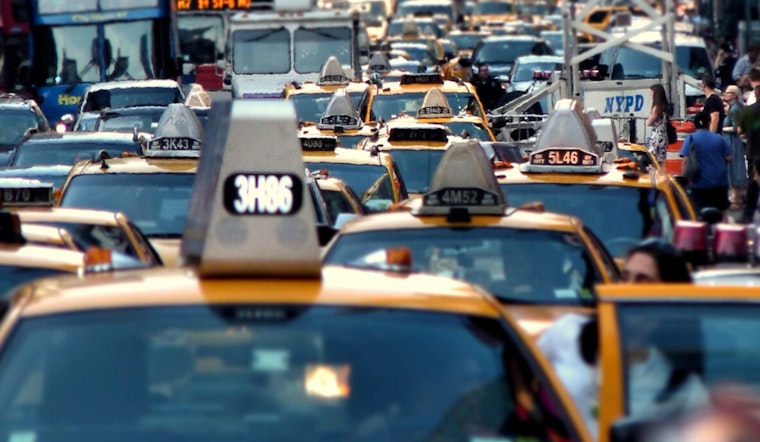
As the holiday season approaches and traffic increases in Manhattan, the discussion surrounding New York City’s congestion pricing program has intensified. Governor Kathy Hochul and the Metropolitan Transportation Authority (MTA) are receiving criticism from various groups regarding the implementation and impact of the tolls in the city’s central business district.
Although Governor Hochul prevented the MTA from applying a 25% surge pricing increase on “Gridlock Alert” days before congestion pricing began, the MTA reports that traffic has decreased, according to Gothamist. The agency says traffic has been down by as much as 13% in some months compared with the previous year. However, many drivers dispute that congestion has improved, reporting ongoing traffic issues and expressing frustration with the additional fees.
Port Authority data indicates that vehicle crossings into the congestion zone have decreased by less than 5%, which is a smaller decline than the figures reported by the MTA. Critics, including Nicole Gelinas of the Manhattan Institute, told The New York Post that the MTA’s data collection methods may affect the program’s credibility. In addition, assessments of the congestion toll’s effectiveness rely on estimates of what traffic levels would have been without the toll, raising further questions about the accuracy of the reported results.
As discussions continue about the effectiveness of congestion pricing, the MTA is preparing for increased fare-evasion enforcement as the system moves away from MetroCards, as per Gothamist. In addition, transit planner Sam Schwartz has suggested a more flexible approach in which drivers would be charged based on their actual use of the central business district rather than a single flat rate for entering below 60th Street.
Drivers, including yellow cab driver Mohammed Haque, stated to The New York Post that they believe traffic has not improved and may even be worse, expressing concern that the congestion tolls are not benefiting the city. In addition, pro-transit groups have criticized Governor Hochul’s decision not to use the 25% Gridlock Alert day surcharge, calling it a missed opportunity to address heavy holiday traffic.



.jpg)