

























































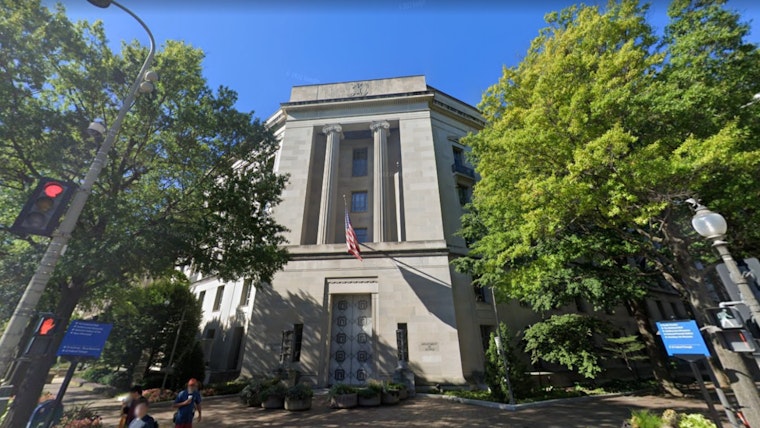
After 16 years under a federal microscope, Texas is asking a judge to sign off on big changes at its State Supported Living Centers, with the Justice Department backing the move and saying the state has finally done enough to stand on its own.
Last Tuesday, the Justice Department and the State of Texas jointly asked a federal judge to dismiss a long‑running case that has governed reforms at the state’s 13 State Supported Living Centers. The request follows years of court‑supervised work to improve safety, clinical care and community services for residents with intellectual and developmental disabilities.
In a press release, the Justice Department said it had joined Texas in filing the dismissal request and openly praised the state’s progress. “We commend Texas for its tremendous progress in implementing this decree and its commitment to upholding the federal rights of people with intellectual disabilities living in state care,” Assistant Attorney General Harmeet K. Dhillon said in the release.
The litigation dates back to federal inquiries into problems at the Lubbock State School in the mid‑2000s, which later widened to other state campuses and ultimately produced a consent decree in 2009. As The Dallas Express reports, the agreement was modified in 2021 to restructure monitoring, prioritize measurable outcomes and strengthen transition services for people moving from the centers into the community.
State records and monitoring show progress
State documents on the Texas Health and Human Services website, along with monitoring summaries cited in court filings, report that an Independent Reviewer verified many of the consent decree’s benchmarks as met. Legislative records show recent funding moves aimed at boosting staffing at the centers, and state performance figures referenced in filings point to a modest drop in reported serious injuries and roughly a 40 percent increase in residents working off campus since 2023. Officials say those trends, along with lower employee turnover, help justify their push to end judicial oversight.
Local incidents remind families to stay vigilant
Advocates and relatives counter that isolated incidents are a reminder of why outside scrutiny mattered in the first place. A June episode at the Denton campus, when a person briefly left the grounds and walked into a nearby road before returning, according to The Dallas Express, is among the recent events families point to even as officials highlight broader improvements.
What’s next in court
For now, it is up to a federal judge to decide whether the case can finally be closed. The state and the Justice Department have jointly asked the court to dismiss the litigation, and the judge will weigh whether Texas’s reforms are solid and lasting enough to end direct oversight. The 2009 consent decree, the 2021 modification and the Independent Reviewer’s findings are being offered as proof that the reforms will stick. At the same time, disability advocates say they plan to keep a close eye on employment and safety metrics if and when the case is closed, according to the Justice Department filing.





