

























































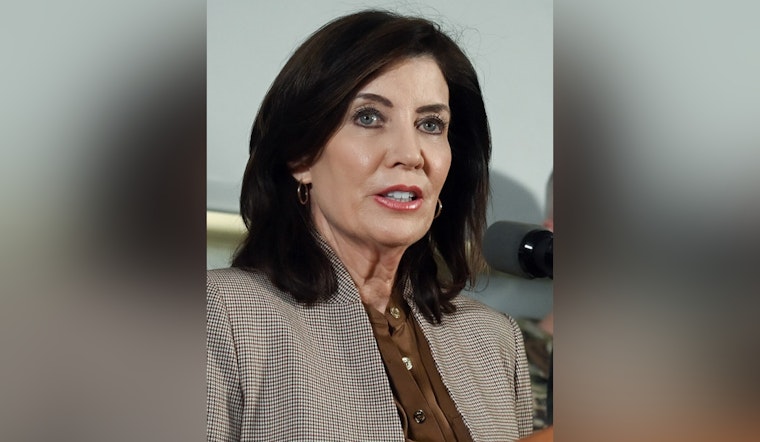
Governor Kathy Hochul of New York is pushing for the state's pending artificial intelligence regulation bill to take a softer stance similar to California's law, causing friction with state lawmakers. As reported by Gothamist, the governor's proposed changes would align New York's regulations with California's SB53. This comes amid discussions with lobbyists from AI companies who argue that the bill's current language could dampen innovation within the industry.
The details of Governor Hochul's proposed amendments were not disclosed by her spokespeople, but sources with knowledge of the talks, say that the governor has submitted almost the exact text of California's SB53. In contrast, the original RAISE Act, passed by the New York State Legislature, would require developers to prevent the use of AI in creating biochemical weapons and to maintain "meaningful human intervention" in the operation of these models. The tech industry, however, worries that such restrictions might hamper their growth and capabilities, as noted by Gothamist.
According to City & State, Hochul's approach has led to a stalemate with legislators who desire stronger regulation than California's model. The proposed rewrite of the RAISE Act, as suggested by Hochul, removes specific safety requirements and adjusts the scope of companies that the law would pertain to – changes that could significantly alter the bill's impact.
Amidst this tug of war, President Donald Trump's recent executive order could complicate the future of the RAISE Act. The order seeks to limit states' rights to regulate AI, aiming to prevent a patchwork of rules that could impact the nation's competitive standing in this technological space. An executive order, signed last week preempts states' ability to regulate AI, setting the stage for possible federal intervention if New York's legislation moves forward as initially drafted.
As the deadline for Hochul to take action on the bill fast approaches, the divide remains. Assembly Member Alex Bores, a staunch advocate for strict AI regulation, highlighted the necessity of the legislation: "If their own testing shows that one of their models poses an unreasonable risk, they shouldn't release their model," he told Gothamist. Bores is facing his own battle, as deep-pocketed tech interests have allocated $100 million to a super PAC opposed to his pro-regulation stance. Meanwhile, parents and consumer advocates continue to push for stringent regulations to safeguard against the unknown perils that unchecked AI development could pose.





