

























































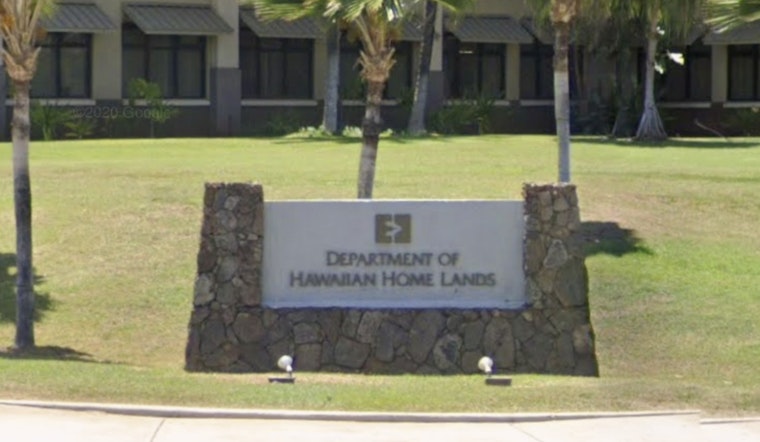
Hawaii is rolling out homestead leases on bare lots to move Native Hawaiian families off a decades-long waitlist. Officials plan to grant legal stakes before infrastructure is built, while homesteaders warn the approach echoes past broken promises. Some Maui families are already moving into the new Puʻuhona subdivision, but much of the infrastructure work remains.
Officials accelerate awards to clear a long waitlist
Department leaders say faster awards aim to reduce the tens-of-thousands-long waitlist. DHHL plans to grant over 2,600 leases in 2025 through homes, project leases, and agricultural lots. Supported by a 2022 legislative fund, the pipeline is expected to deliver thousands more leases by 2026.
Puʻuhona gives some families keys and hope
According to Hawaii News Now reports, Families are moving into Puʻuhona, DHHL’s first turnkey project on Maui in 17 years. Some beneficiaries waited decades to receive keys to new homes. The project will include 137 homes and dozens of improved lots to meet demand.
Promises and pitfalls: lessons from the past
As Honolulu Civil Beat details, Critics say the state has tried paper solutions before. In the mid-2000s, DHHL issued roughly 1,400 “paper leases,” but only about 580 resulted in homes, leaving hundreds in limbo. Reviews warned DHHL not to overpromise, a caution advocates say still applies today.
Money, politics and practical hurdles
The new round of awards is powered largely by Act 279, a $600 million state appropriation approved by lawmakers in 2022 to speed development on Hawaiian homelands. According to DHHL, that money has allowed the agency to focus on projects closer to existing infrastructure and to team up with developers on more turnkey homes. Federal dollars are now in the mix as well. Hawaii News Now reports that DHHL secured a $22.3 million HUD grant this year to help pay for construction and chip away at the backlog.
Legal and policy context
The homelands program is governed by the 1920 Hawaiian Homes Commission Act and state laws on blood-quantum and lease inheritance. The Kalima case ended in a $328 million settlement, highlighting DHHL’s legal obligations. Advocates say rules and funding, not paper leases alone, decide if families can live on the land, as described by Hawaii Public Radio.
What to watch
In the months ahead, the big questions will center on how quickly roads, utilities and other infrastructure come together and how many paper awards turn into finished homes. Earlier reporting on DHHL’s plans, including its ambitious 2,600-lease goal, sets the scale of what the agency is promising. If the state can match paperwork with pipes and pavement, the homelands program could finally start to put a dent in a waiting list that has stretched across generations.





