

























































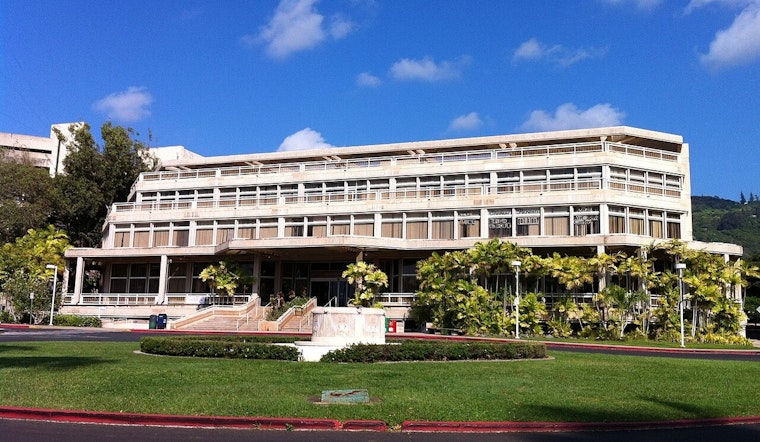
An AI "compassion kit" built at the University of Hawaiʻi at Mānoa just walked away with a "best novelty and impact" prize at an international hackathon, and its mission is quietly ambitious. The prototype, called Aurion, is designed to help community health workers catch emotional or mental distress that might otherwise slip past in everyday patient conversations.
Aurion listens to both what a person says and how they say it, then sends a discreet, context-aware suggestion to a community health worker, while also shouldering much of the dreaded follow-up paperwork. The team says the tool can automate about 70 percent of that documentation load, potentially freeing up more time for direct support.
The project debuted during a two-day hackathon held December 5–6 at UH Mānoa’s Campus Center, a satellite event tied to the IEEE Automatic Speech Recognition and Understanding Workshop that ran December 6–10 in Waikīkī, according to IEEE ASRU 2025. The workshop brought together speech analysis and spoken-language researchers, industry partners, and students for a week of tech-heavy discussion framed by a very real human focus: how people actually talk.
Aurion CHW Compassion Kit: How It Works
The Aurion CHW Compassion Kit leans on speech analysis to flag possible red flags in real time. By measuring tone, pacing and phrasing, the system looks for patterns that could signal emotional or mental distress, then quietly nudges a community health worker with suggested supportive language that fits the moment.
On top of that, the system auto-generates much of the post-conversation documentation that normally soaks up staff time. The Mānoa team presented both a verbal talk and a poster version of the project before judges and the public. Team members included PhD students Quang Loc Lam and Akib Sadmanee, along with UH Cancer Center data systems analyst Fahim Yasir, according to University of Hawaiʻi System News.
Why This Could Matter For Frontline Care
Community health workers are already juggling care coordination, outreach, and a mountain of forms, a workload that public health agencies say is central to the role yet can pull them away from face-to-face support. The Centers for Disease Control and Prevention describes CHWs as trusted bridges between communities and health systems, which makes any tool that trims administrative burden particularly appealing for frontline programs, according to Centers for Disease Control and Prevention.
In that context, an AI assistant that quietly catches subtle emotional cues and writes up the notes could feel less like a flashy gadget and more like an extra set of ears and hands.
Limits And Ethical Questions
Researchers are quick to point out that speech-based mental health AI is not a magic wand. Accuracy can vary across different populations, training datasets can be small or biased, and privacy and consent concerns are significant hurdles. Without careful validation, a tool that is meant to help could easily misinterpret a conversation or unintentionally overstep.
A recent perspective in npj Digital Medicine argues for explainable and individually validated measures, along with tighter collaboration between speech scientists and clinicians, to avoid premature clinical rollout that might do more harm than good.
What Is Next For The Team
According to the UH report, the team received a certificate of achievement along with the best novelty and impact prize for Aurion, which was built specifically to help CHWs notice missed emotional cues in conversations. The group hopes to move beyond the hackathon stage and test the prototype with real-world partners, and the university’s recognition could help open doors to pilot studies and collaborations, according to University of Hawaiʻi System News.
The hackathon itself drew students, researchers and professionals from around the globe, and Aurion’s win underscores how UH Mānoa’s speech-analysis work is trying to jump from lab demos to tools that might actually help local frontline workers. Organizers have pushed for satellite workshops and events that pair speech researchers with clinicians and community partners, according to IEEE ASRU 2025, so that future projects are grounded as much in lived experience as in cutting-edge code.





