

























































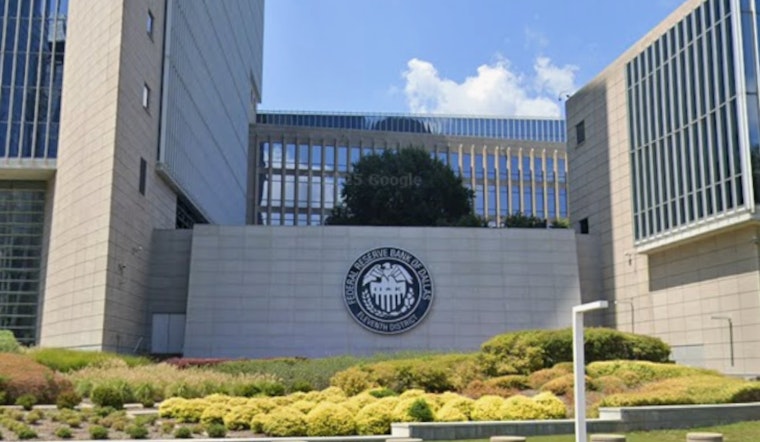
North Texas’ red-hot job market is running cooler this year, and the Federal Reserve Bank of Dallas says a big reason is simple: there are fewer new immigrant workers walking through employers’ doors. Restaurants, hotels, and construction crews that traditionally lean on foreign-born labor are reporting thinner applicant pools, more missed shifts, and a scramble to keep operations humming with higher pay and more automation.
Dallas Fed analysis and the TBOS signal
In a new analysis from the Federal Reserve Bank of Dallas, data from its Texas Business Outlook Surveys (TBOS) show immigration inflows have slowed since mid-2024. The report concludes that recent policy and enforcement changes "will negatively affect the ability to hire and retain foreign-born workers at about 20 percent of Texas businesses this year."
The researchers note that TBOS likely understates the strain, since the survey leaves out some heavily immigrant-reliant sectors such as construction and agriculture. The authors point to processing delays, program cancellations, and more aggressive enforcement as factors that have reduced both legal and unauthorized inflows into Texas.
"The stepped-up visibility and intensity of enforcement has produced a chilling effect," the Dallas Fed authors wrote, adding that fear of enforcement has led many foreign-born workers to miss work or avoid public places altogether. That drop in labor supply, the bank says, helps explain why Texas job growth this year has slipped below its long-run trend. The Dallas Fed also notes that break-even job growth, or the pace of hiring consistent with a stable unemployment rate, has moved sharply lower as immigration-driven labor force growth fades.
What the surveys say about employers
As reported by The Dallas Morning News, roughly one in five firms told TBOS that immigration changes would hamper hiring and retention this year, and 13 percent said they were already feeling negative impacts. Among the affected employers, about 40 percent reported workers missing shifts because of enforcement fears, nearly 60 percent said they could not hire qualified applicants due to status issues, and 49 percent reported fewer foreign-born applicants applying in the first place.
Many companies told surveyors they are stretching existing staff with extra hours, raising wages, leaning harder on subcontractors, and even experimenting with automation to cover the gaps.
Local TV also jumped on the story. WFAA aired a segment Friday spotlighting North Texas employers and the Dallas Fed’s findings, featuring small restaurants and contractors who say hiring uncertainty is squeezing schedules and profit margins. Regional business groups told the station they expect the pressure to continue unless legal hiring pathways and government processing find steadier footing.
Policy moves behind the slowdown
The staffing crunch is unfolding alongside a string of federal actions that curtailed parole programs and revoked work authorization for large groups of recent entrants, effectively pulling a sizable pool of legally employable workers out of the labor market. The Houston Chronicle and other outlets have tracked those revocations and program endings and note that they line up with the Dallas Fed’s timeline.
Employers and advocates say the speed and scope of the changes have left little time to adjust recruiting, compliance practices, or long-term staffing strategies.
What it means beyond North Texas
Economists warn that the fallout is not confined to Texas. With immigration-driven labor force growth down, hiring across the country has been weaker than in recent years, and companies in labor-intensive industries are feeling the strain. International and national coverage of labor trends has frequently cited declining immigration as a key contributor to slower job gains, suggesting the Dallas-area experience could be an early signal of more persistent national weakness unless policy or processing changes restore labor inflows.
For now, local firms say they are doing what they can on their own balance sheets: adjusting pay, rearranging hours, and investing in technology to cope with a thinner pipeline of workers.
What to watch in the months ahead: updated TBOS responses that show whether employers’ stress is easing or deepening, upcoming employment reports for the Dallas–Fort Worth area, and any shifts in federal parole or work-authorization policy that could quickly add legally employable workers to the market. For North Texas businesses, those are the big variables that will determine whether this hiring slowdown is a temporary rough patch or a more entrenched drag on growth.




