

























































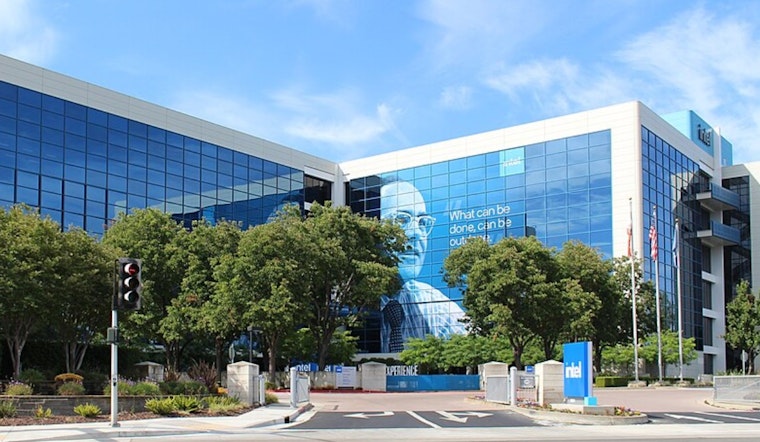
Intel is edging closer to scooping up SambaNova Systems, the Palo Alto AI-chip startup, after the two companies signed a nonbinding term sheet that pulls their talks out of the rumor mill and into formal negotiations. If it closes, the deal would fold a Silicon Valley accelerator specialist into Intel’s broader push to catch up in generative-AI hardware and could shake up hiring and competition across the Bay Area.
According to WIRED, two people with direct knowledge said Intel and SambaNova signed a nonbinding term sheet and stressed that the agreement is still preliminary. Completion is far from guaranteed: the companies face weeks or months of regulatory review, liability scrutiny and financial due diligence before any deal can be finalized. A SambaNova spokesperson declined to comment, and Intel had not responded to requests for comment at the time of publication, the outlet reported.
From Talks To A Term Sheet
Intel’s interest in SambaNova surfaced after the startup quietly shopped itself to potential buyers in late October, Reuters reported, and early coverage suggested any sale would likely land below the roughly $5 billion valuation SambaNova reached in 2021. The negotiating backdrop is tangled by overlapping investor ties that include Intel Capital and longtime backers such as SoftBank, Reuters added. Those connections are expected to draw close attention from outside counsel and regulators during due diligence.
Palo Alto Roots And A Cooling Market
SambaNova was founded in 2017 in Palo Alto by Stanford professors Kunle Olukotun and Christopher Ré and former Oracle executive Rodrigo Liang. The company had raised about $1.14 billion as of early 2025, according to PitchBook data cited by WIRED. Its valuation peaked after a 2021 funding round led by SoftBank’s Vision Fund 2, but reporting has shown the startup’s implied value has since slid and some investors have marked down their stakes. That drop appears to have nudged SambaNova toward a sale rather than trying to power ahead as a standalone player.
Why Intel Might Buy
An acquisition would help fill a gap in Intel’s AI-hardware roadmap as CEO Lip-Bu Tan reshapes the company. Tan, who took the top job in March, has signaled a pivot toward AI-first products and a willingness to prune non-core assets, Reuters reported. Intel also has a larger balance-sheet cushion after fresh capital and government involvement, with the U.S. agreeing in August to take a roughly 10 percent stake in Intel in a transaction valued around $8.9 billion, Manufacturing Dive reported. Those factors make a bold purchase more feasible even as management and regulators weigh governance and national-security implications.
Regulatory And Governance Questions
Questions about overlapping governance and investor relationships are likely to loom largest in any review. Tan has served in leadership roles at SambaNova, Intel Capital has invested in the startup, and investors such as SoftBank and BlackRock have sizable stakes. As DataCenterDynamics reported, SambaNova had already been exploring strategic options after fundraising strains and several investors trimmed valuations, dynamics that make a sale more likely. Antitrust or conflict-of-interest questions could lead to remedies, spin-outs or delays before any final agreement is signed.
What To Watch Next
Because the term sheet is nonbinding, there are clear milestones to watch. Those include a definitive acquisition agreement, public SEC filings or investor disclosures, and any pre-closing approvals from regulators. If the deal moves ahead, expect detailed scrutiny of the governance steps Intel takes to address overlaps and of how SambaNova’s IP and engineering teams are folded into the chip giant.
Closer to home, a completed acquisition would be another sign that the post-2021 fundraising boom has shifted into a consolidation era, and that Bay Area chip startups may increasingly eye corporate exits instead of trying to scale up on their own.





