

























































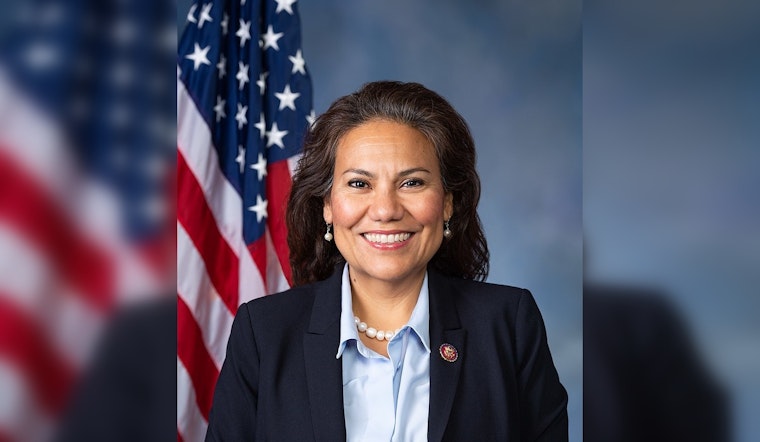
In a concerted effort to bolster the Federal Public Defender Program's resources amidst financial hurdles, Congresswoman Veronica Escobar has rallied alongside a coalition of nearly 50 lawmakers, pushing for a $1.76 billion allocation in the Fiscal Year 2026 budget. The supporters, led by Senator Peter Welch and Representative Suzanne Bonamici, directed their plea to key figures in the Senate and House Appropriations Committees, according to a release published on Escobar's official website.
In a letter they sent to legislators, the lawmakers pinpointed the importance of the Federal Defender Services in upholding the constitutional right to counsel. They highlighted the disparities between their proposed funding and Republican's suggested appropriations, and noted, "The Federal Defender Services program serves as an integral part of the federal judicial system by securing access to counsel and providing other necessary defense services for those who cannot afford counsel," as reported on Escobar's house.gov page.
An "inadvertent failure" to accurately compute the program's financial requirements led to a debilitating shortfall exceeding $100 million in FY24—a mistake manifesting in a hard hiring freeze, the suspension of crucial training opportunities, and deferred cybersecurity upgrades. Even a subsequent funding anomaly to the tune of $1.564 billion, which lawmakers appreciated as an "important step," failed to resolve the underfunding dilemma in the interim, the lawmakers argued.
The letter delineates the impacts of prolonged monetary insufficiency. For one, prominent shortfalls in staffing—more than 500 positions short in accordance with Judicial Conference standards—were observed, forcing courts to tap more expensive private counsel. Furthermore, "In FY25, money to pay CJA panel attorneys for work performed in federal court ran out beginning in July 2025 and did not restart until the government shutdown ended this November," creating a ripple effect of financial stress and trial delays, according to Escobar's official website. Such systemic financial strains jeopardize not just the lawyers but the very fabric of prompt and fair justice they strive to maintain.
Lawmakers stressed that federal defenders dutifully represent clients across the political spectrum, underscoring the non-partisan nature of criminal justice. Without the requested $1.76 billion, they warned of bleak outcomes, including delayed prosecutions, victim and witness disenfranchisement, and the unsettling erosion of public safety and the rule of law. It's not merely a fiscal issue, they posited, but one with profound implications for the integrity of the justice system itself.





