

























































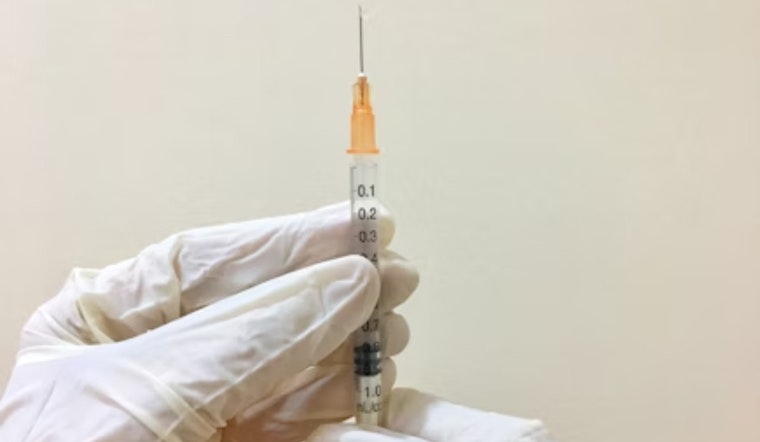
In a move that bucks the recent CDC advisory panel recommendations, the Maryland Health Department is doubling down on the importance of administering the hepatitis B vaccine to newborns, issuing a statewide standing order to ensure infants and children continue to get their shots, as reported by WMAR2News. Despite the CDC's vaccine committee suggesting a more relaxed approach, Maryland health officials are not wavering on their stance with the Maryland Department of Health's Deputy Secretary of Public Health Services, Dr. Meg Sullivan, asserting, "I think we all know that the hepatitis B vaccine has been tested extensively for safety and efficacy for decades, and when administered within 24 hours of birth, it is highly effective in preventing newborn infection," in a statement obtained by CBS News Baltimore.
Not only are health professionals authorized to vaccinate infants and children, but the order specifically recommends that newborns with a birth parent positive for hepatitis B or of unknown status should be vaccinated and given hepatitis B immunoglobulin within 12 hours of birth and all children should complete the vaccination series by 18 months, according to information from WMAR2News. The CDC panel had voted in an 8-3 decision to let parents decide when or if their children should receive the vaccine in consultation with a health care provider, which many medical experts and the American Academy of Pediatrics opposed, this shift raised concerns about increasing the risk for infections that can cause lifelong illnesses, with the Maryland Health Department highlighting that universal doses prevent transmission in a majority of cases along with household transmission, while serving as a crucial safety net.
The recent decision to maintain a proactive vaccination protocol in Maryland comes amidst stark warnings over the potential impact of altering the long-established vaccine schedule. The CDC's Advisory Committee on Immunization Practices (ACIP) voted to recommend eliminating the routine birth dose, shaking the foundational public health strategy that has been credited with dramatically reducing hepatitis B infections in the country—the infection rate plummeting by 99% since universal newborn vaccinations became standard practice, as Dr. Sullivan told CBS News Baltimore.





