

























































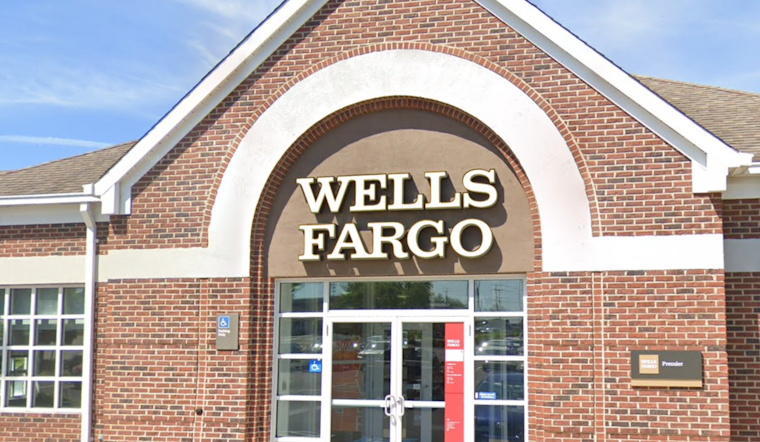
A 100% disabled Marine Corps veteran who served two tours in Iraq had his $11,000 Wells Fargo credit card debt forgiven this week, but only after his family spent years battling a debt settlement company and an uncooperative law firm that left the balance climbing instead of shrinking. The veteran's power of attorney, Kristin Schirmer, said the ordeal left her family feeling like they were banging their heads against a wall trying to get anyone to listen.
Schirmer, who lives in Bel Air, Maryland, told WBAL NewsRadio that the veteran signed an agreement with a debt settlement company in 2023 to resolve the Wells Fargo balance. He began paying $110 every two weeks into an account meant to pay off the card, money that instead went to the debt settlement company itself. Schirmer said the veteran's VA disability checks were never enough to cover the lump-sum repayment plans Wells Fargo initially proposed, some of which exceeded $9,000, according to her account.
Instead of shrinking, the debt grew. Schirmer said the debt settlement company eventually sent settlement offers exceeding $13,000 in some cases, more than the original balance the veteran owed. That inflation lines up with a pattern federal regulators have flagged for years: the National Foundation for Credit Counseling warns that debt settlement firms routinely instruct clients to stop paying creditors directly, which triggers late fees, default interest rates, and credit score drops of 60 to 200 points while the underlying balance balloons.
A Law Firm That Would Not Talk
Schirmer was eventually referred to a Florida-based law firm handling the debt, but she said the firm refused to communicate with her unless the veteran dropped the debt settlement company first — a condition that left the family stuck in limbo. Attorney letters arrived before Schirmer even got involved in the case, she said, deepening the confusion over who actually controlled the account. Bankrate reporting from March 2026 has documented this exact maneuver as an industry-wide practice sometimes called the attorney model, in which Bankrate found settlement firms route consumer accounts to out-of-state law offices to collect higher fees or dodge telemarketing rules, often leaving borrowers with damaged credit and inflated balances.
Throughout the standoff, Schirmer said she feared the family's bank accounts could be frozen or that liens could be placed on their house. Those fears may have been legally unfounded when it came to the veteran's core income: VA disability compensation is statutorily shielded from creditor claims, levies, attachments, and court-ordered garnishments under 38 U.S.C. § 5301 and federal banking rules, meaning credit card lenders and collection agencies generally cannot forcibly seize those benefit payments. Still, the uncertainty weighed on the family as the case dragged on with no resolution in sight.
Two Days After a Reporter Called
The stalemate broke only after WBAL-TV 11 News Investigates began looking into the debt settlement company and reached out to Wells Fargo directly. The bank forgave the debt within two days of that outreach, telling the station simply that it had resolved the issue with its customer. Wells Fargo also encouraged customers experiencing financial difficulties to work directly with the bank rather than through third parties.
A source familiar with the negotiations told the station that the debt settlement company had gone quiet in talks with Wells Fargo, offering little explanation for the breakdown. Schirmer said the debt could have been paid off through ordinary monthly payments long before it ever reached this point, and that all she had asked for throughout the process was a reasonable offer. She said the way her family and others in similar situations are treated by debt settlement firms and lenders is simply unfair.
A Wider Pattern for Veterans and Military Families
The Bel Air case reflects a broader surge in financial complaints from military households. The Consumer Financial Protection Bureau reported that servicemembers, veterans, and military families filed nearly 84,600 consumer complaints in 2023, a 27% jump from the prior year and a 98% increase since 2021, with credit reporting, debt collection, and credit card disputes topping the list. Federal enforcement has targeted the debt settlement industry before: in May 2021, the CFPB ordered a debt settlement firm to pay more than $5.4 million in consumer relief and penalties after finding it unlawfully charged upfront fees before settling debts and hid its fee calculations from consumers in two dozen states.
Maryland residents facing similar situations do have a legal exit ramp. Under the Maryland Debt Settlement Services Act, providers operating in the state must register with the Commissioner of Financial Regulation, and consumers retain the statutory right to withdraw from a debt settlement agreement at any time without paying a penalty. The state also strengthened its enforcement tools through the Maryland Financial Consumer Protection Act of 2018, which set maximum civil penalties of $10,000 for a first violation and $25,000 for repeat violations by abusive debt practitioners.
Rising household debt nationally has only expanded the market these firms operate in. Research from Kroll Bond Rating Agency found total U.S. household debt has exceeded $18 trillion, fueling growth in the unsecured debt settlement industry, which is projected to reach $7.2 billion globally by 2032. For veterans like Schirmer's family member, that growth means more companies competing for financially strained customers, often with the same aggressive tactics that turned an $11,000 debt into a years-long fight before it was finally erased.





