

























































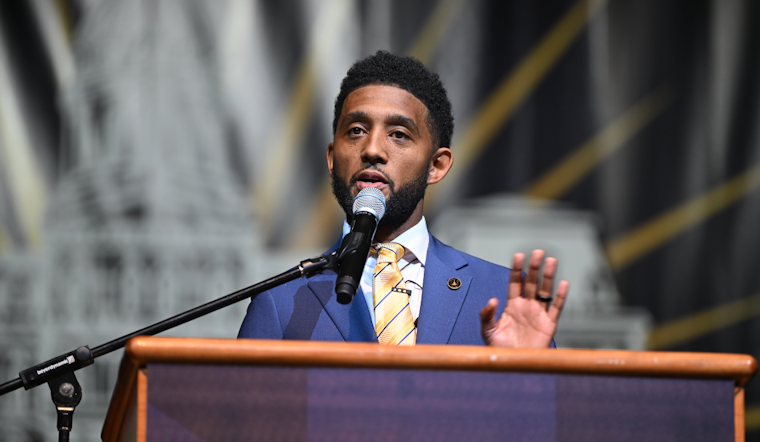
Baltimore's Mayor Brandon M. Scott has outlined his administration’s agenda for the 2026 legislative session, an actionable list of priorities aimed at sustaining the city’s upward trajectory. As the General Assembly gears up to convene in mid-January, Scott’s proactive stance is clear: deliver the tools and policies that best serve the people of Baltimore. The details of the priorities set forth by Mayor Scott were made public earlier today, a strategic move to set the stage for negotiations and alliance-building.
At the heart of Mayor Scott's policy roadmap are critical areas such as housing, economic development, transportation, and public safety. Housing concerns will see a pitch for the reallocation of funds from the existing sales tax revenue, directly fueling local development projects. "This session is an opportunity for the City of Baltimore to advocate for funding and support that will help us sustain the historic progress we are making," Mayor Brandon M. Scott said in a statement obtained by his office's news release.
In the realm of economic development, one of the prominent items on the agenda is the creation of the Baltimore Convention and Tourism Redevelopment and Operating Authority, a move poised to bolster the city’s tourism industry. Additionally, there are efforts to extend the statute of limitations for local consumer protection actions, granting citizens more leeway to address grievances. Transportation, another linchpin of the city's framework, would benefit from a prolonged increase in Highway User Revenue.
Arguably, public safety tops the mayor’s list, with strategic changes proposed for the Administrative Charging Committee, which are destined to be granted more investigatory and subpoena powers. The approach to law enforcement could shift with the proposed adjustments to the ordinances concerning the enforcement of fines and penalties in Baltimore City.
Beyond these priorities, Mayor Scott has his sights set on other legislative reforms, such as streamlined tax foreclosure notifications, tweaks in the homeowners' tax credit criteria, and further autonomy in the installation and management of speed cameras. The Mayor also takes stands on larger, systemic issues like vehicle registration enforcement and the decriminalization of drug paraphernalia, advocating for approaches that resonate with his vision for a safer, more equitable city.




.jpg)