

























































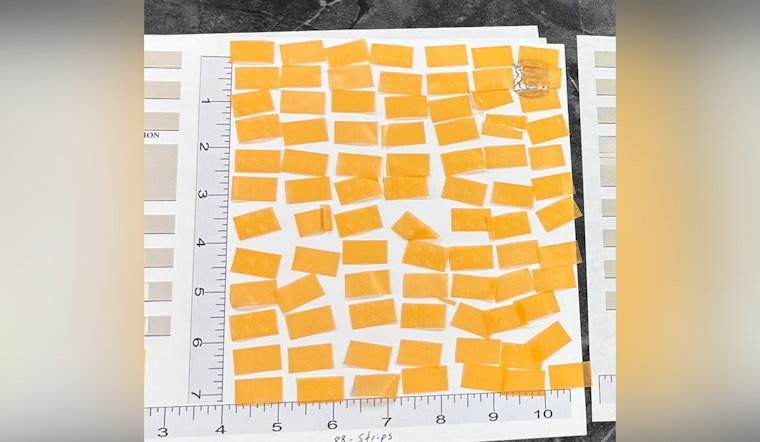
In an effort to curb the inflow of contraband substances into its facilities, the Michigan Department of Corrections (MDOC) has deployed a new strategy, targeting the potential exploitation of legal mail as a delivery channel for illicit materials. Accordingly, all legal documents mailed to inmates will henceforth be reproduced as photocopies—the originals promptly shredded—to eliminate any chance of contraband passage.
According to a press release by the MDOC, this move is an expansion of their existing mail protocol, where non-legal mail has been photocopied for some time now, leading to a noticeable reduction in contraband introduction attempts. The department cites a shift in smugglers' tactics to having been using bogus confidential special handling as a vessel for illegal activities. "Illicit drugs have fundamentally changed over recent years to include synthetic sprays and strips which are easily added to paper and concealed in mail," MDOC Director Heidi E. Washington explained, underscoring the heightened risk to staff and inmates posed by these substances.
The enforcement of such stringent measures is not without technological accompaniment; the MDOC already utilizes TextBehind DOCS, a system designed to validate the origins of sensitive correspondence via a sender identity verification process deemed reliable and cost-free. This policy adds yet another layer of defense fastened to the prison’s mail operations. "Despite implementing technologies to better verify legal mail senders, we continue to see incidents where this mail is used as an avenue to introduce these dangerous substances to the population. This will add another safeguard to that process," said State Representative Bradley Slagh, pointing to the unsolved problem of drug infiltration, as stated on the Michigan Department of Corrections.
Integrity of legal correspondence remains paramount in the eyes of MDOC as confirmed by guidelines stipulating that all copying shall be done thoroughly and the obfuscation of such documents will be conducted before the eyes of the inmate recipients, an assurance of sorts that personal rights are respected amid these security reinforcement In front of the recipient and then disposed of in a secure location by MDOC staff, the department clarified. Instituting this policy on January 5, 2026, the MDOC stands behind its decision, supporting legal action against anyone who sends drugs into Michigan prisons, as detailed further on the MDOC’s website.



