

























































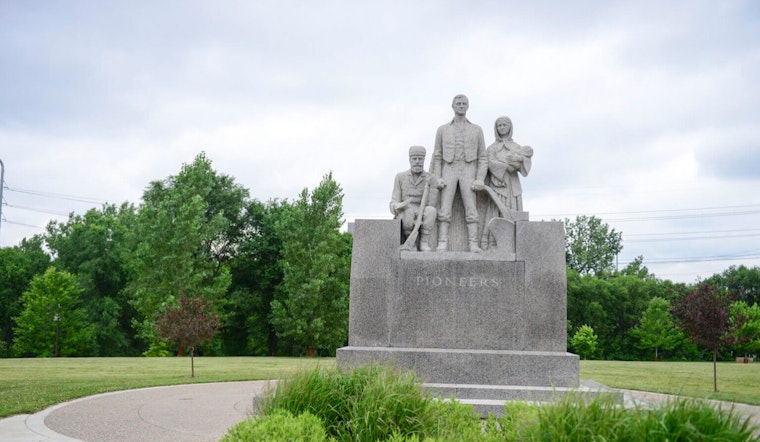
Amid concerns about historical representation and inclusion, the Minneapolis Park and Recreation Board (MPRB) has voted to remove the Pioneers monument from its public art collection, an action directly tied to a broader movement to reexamine public spaces and the symbols within them. The decision, made on Dec. 3, will see the monument excised from B.F. Nelson Park, where it has stood for decades as a commemorative piece to the city's settlers. The initiative forms part of the MPRB's Indigenous Action Plan, developed to reshape park policies and public spaces to be more reflective and respectful of Indigenous history and perspectives.
In a move that's been both heralded and scrutinized by local communities, the stone monument, weighing a hefty 14 tons, has been targeted for deaccession due to its controversial depiction and message. According to Minneapolis Parks, the relief on the monument has garnered significant backlash for presenting an "incomplete and inaccurate representation of the history of the area and ignores the harmful impacts of colonization on Dakota and other Indigenous peoples." The artwork showcases three pioneers and a narrative involving Father Louis Hennepin's 1680 journey, which has been described as offensive and retraumatizing, specifically to Indigenous communities and others.
This decision to deaccession comes as a historic first for the MPRB following the adoption of a new Public Art Policy this year. As they undertake the process of removing the artwork, it's clear that actions such as these represent a burgeoning trend where communities and their leaders reassess the narrative histories displayed in their shared spaces. Organizations such as the St. Anthony West Neighborhood Organization and the Public Art Advisory Panel of the Minneapolis Arts Commission back the decision, indicating a broader shift towards recontextualization and inclusion in public art.
Action following the vote includes deliberation over the future of the sculpture—whether it will find a new home, be repurposed, or undergo complete disposal. MPRB staff have tasks ahead, including outreach to the artist's family and local organizations, besides investigating the potential repurposing of the monument's granite or its incorporation into other art or community projects. Their updated policy mandates that removal and disposal should take place "as soon as reasonably possible," and the public can stay abreast of the developments through the MPRB Public Art page, where updates will chronicle the transition.





