

























































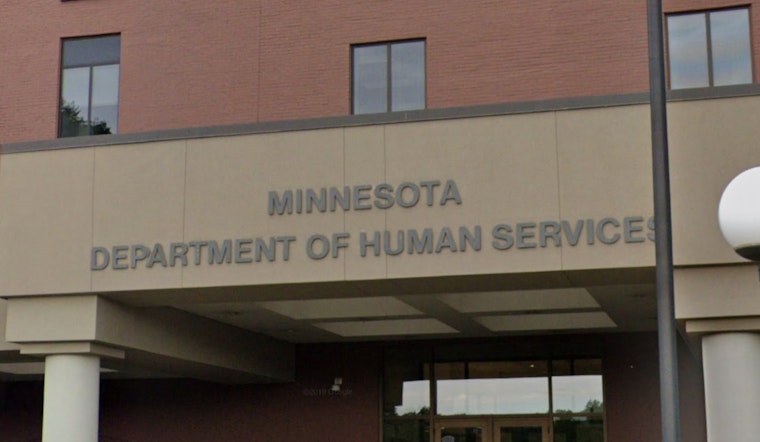
As Minnesota grapples with a direct care staffing shortage, the Aging and Adult Services Division (AASD) and Disability Services Division (DSD) have released their latest weekly digest, sharing initiatives and policy changes set to address the ongoing crisis and improve disability waivers. The Department of Human Services (DHS) has initiated an annual survey opening December 23, 2025, to canvas the effects of the staffing shortage on people requiring direct care services – feedback is sought from those receiving support until February 1, 2026.
DHS underscores the importance of this data collection effort in understanding the breadth and depth of this issue, and subsequently, in crafting even more targeted resources addressing direct care professional compensation – information synthesized from an examination into service rates and compensation requirements spanning over a hundred direct services in the state, this data paints a stark portrait of the current landscape and the urgent need for systemic improvement and relief.
Moreover, DHS has announced significant changes to disability waivers, which are now expected to roll out in February 2026, as opposed to the earlier January date. The delays involve updates to Community Alternative Care (CAC), Community Access for Disability Inclusion (CADI), and Developmental Disabilities (DD), changes which stem from the legislative action this past year. Additionally, the CADI Waiver program has received the stamp of approval for a renewal from the Centers for Medicare & Medicaid Services (CMS), ensuring its continuity until 2030.
For agencies providing Early Intensive Developmental and Behavioral Intervention (EIDBI), DHS has now made available a provisional license application checklist, a resource aimed to streamline the application process and facilitate provider agency compliance with state requirements; as a part of ongoing training endeavors, DHS has also scheduled Culture of Safety Orientation webinars throughout 2026, these are tailored for counties, tribal nations, and providers, emphasizing human factors and safety science in critical incident analysis. The events are due on January 21, May 20, and September 16 of the coming year. Such knowledge is crucial for aiding decision-making processes within this sector, which continually strives towards more resilient service frameworks.





