

























































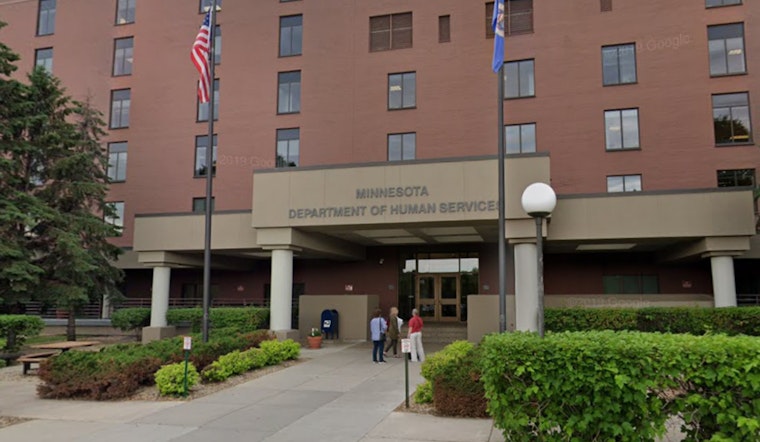
Minnesota is hitting the brakes on licensing for adult day care centers, as the state has observed a surplus capacity that stretches beyond the actual demands. This development came to light in an announcement made by the Minnesota Department of Human Services, which cited the need for tightened oversight and a staunch stand against fraudulent practices. According to details provided by Minnesota DHS, this extension of a licensing pause will span from February 1, 2026, through January 31, 2028.
Following the Executive Order 25-10 from Governor Walz, which offered comprehensive steps to combat fraud, the measure seeks to divert resources toward more robust scrutiny of currently licensed providers. Specifically, with immediate effect from the stated February start date, the state vows not to entertain new applications and will nix those that are pending. Temporary Human Services Commissioner Shireen Gandhi, charged with leading this initiative, highlighted in a statement obtained by Minnesota DHS, "The current licensed capacity of adult day providers goes well beyond the actual need for these services," thereby deeming intensified oversight a requisite action to preserve program integrity for those in genuine need.
The licensed adult day centers in question offer various supports, including health assistance, social activities, and meals. These centers aim to alleviate isolation among participants, afford them a degree of autonomy in self-care, and provide caregivers with much-needed respite. During the upcoming license hiatus, the department's focus will pivot to ensuring that these existing services adhere strictly to state and federal regulations.
Under the temporary period, exceptions to the licensing freeze may be sought to meet specific needs across diverse Minnesota communities, with the department working in tandem with counties, Tribal Nations, and managed care organizations to regulate these exceptions. The series of measures taken by the Department of Human Services, as stated in a Minnesota DHS release, includes marking 11 Medicaid benefits as high-risk for tighter oversight, weeding out inactive providers, and recruiting an external auditor to probe fee-for-service billings. Notably, they have also terminated Housing Stabilization Services and paused licenses for new Home and Community-Based Services providers to regain control of the monitoring process, and have initiated a publicly accessible site for transparency on program integrity progress.




