

























































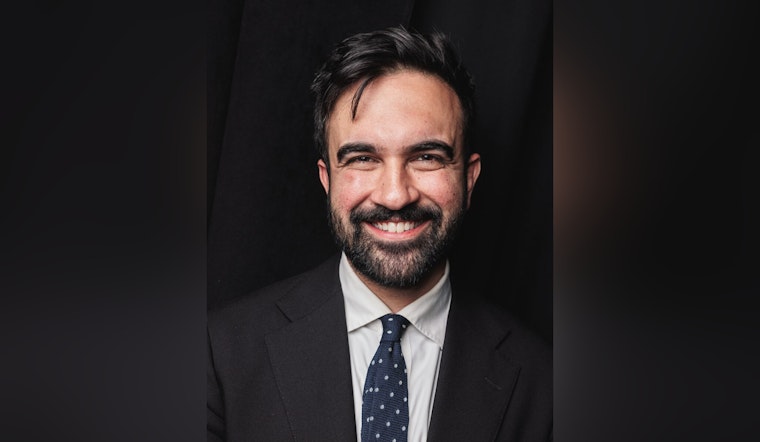
In a stark departure from his predecessor's policies, Mayor-elect Zohran Mamdani has pledged to put an end to the homeless sweeps that have characterized the city’s previous approach to the persistent issue; instead focusing on connecting homeless New Yorkers with much-needed housing options, ABC7 New York reported. Addressing the press, Mamdani emphasized that "connecting those New Yorkers to housing, whether it's supportive housing, whether it's rental housing, whatever kind of housing it is," is central to his plan, departing from former Mayor Eric Adams' enforcement-driven strategy that included breaking up encampments and, in cases involving the severely mentally ill, involuntary commitment.
During the preceding administration, Adams had mobilized law enforcement and outreach workers following a series of high-profile crimes, which he associated with homeless individuals, "No more smoking, no more doing drugs, no more sleeping no more doing barbecues on the subway system no more just doing whatever you want," Adams had declared in early 2022, which led to the enforcement of "quality of life" violations and the end of homeless encampments as explained by ABC7 New York. However, Mamdani's ethos stands in contrast with such measures, where he believes in involuntary commitment only as a last resort and sees the cessation of encampments as a more humane approach to the issue.
Yet, critics are wary of Mamdani's direction, with Columnist Michael Goodwin of the New York Post lambasting the plan as "senseless," predicting it could exacerbate the city's homelessness predicament and expressing concern that Mamdani's ideas lack the pragmatism needed to grapple effectively with New York's complex housing crisis. Goodwin's polemic attacked Mamdani as a "naive socialist" and a "would-be revolutionary" whose policies could lead homeless encampments to "expand and proliferate all over the city," hence potentially impacting residential neighborhoods and commercial areas.
Goodwin further pointed to the $4 billion annual budget of the Department of Homeless Services and the persistent increase in the homeless population despite such spending, concluding that practical solutions remained elusive; according to Goodwin, study after study has shown that "nearly all homeless people have serious mental illnesses, and/or drug and alcohol addictions," a reality Mamdani's plan appears to overlook, which could make the situation on the ground more challenging to address and even calling into question the mayor-elect's understanding of the very complexity of these issues as he seems ready to implement his promised policies which Goodwin described as closer to a "do-over" than traditional reform, as he chastised in the New York Post.
As New Yorkers face the winter season, the quandary of homelessness remains at the forefront of civic discussion, with vastly differing viewpoints on how best to support those who, like Harriet found by ABC7 News taking refuge underground, feel they have nowhere to turn and a system where "shelter is supposed to be temporary place" seems to fail them.





.jpg)