

























































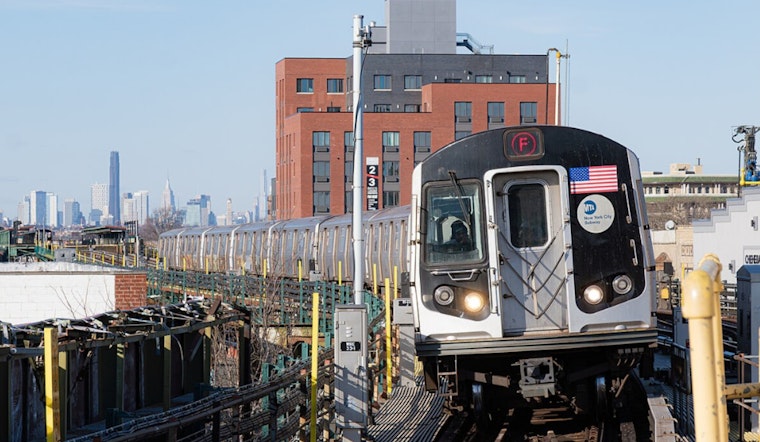
Starting this week, the F and M subway lines in New York City have swapped routes between Manhattan and Queens. The change, which took effect today, moves the M train to serve eight stations that were previously part of the F line’s route. According to a PIX11 report, the swap is designed to reduce congestion on shared tracks and improve the overall efficiency of the subway system.
The Metropolitan Transportation Authority (MTA) highlighted benefits of the route changes, including improved reliability and less crowded trains. MTA Chairman Janno Lieber stated that trains serving Roosevelt Island are expected to be less crowded in both directions. Some commuters, including Patricia Mattocks, expressed concern about the adjustments, telling Gothamist that the previous route provided direct service to her father’s residence at Queensbridge Houses.
The route swap will be in effect on weekdays from approximately 6 a.m. to 9:30 p.m., with service reverting to the previous routing on weekends and overnight. Roosevelt Island resident Paul Krikler told Gothamist that the change may require riders to check schedules before boarding to avoid taking the wrong train. Additional M trains will be added to accommodate the adjustments, helping maintain service options for commuters.
Bill Amarosa of NYC Transit stated that swapping the F and M lines is expected to increase reliability, reduce delays, and provide a more comfortable ride for riders, as reported by PIX11. The new service pattern may also render subway maps outdated, a concern noted by Long Island City resident Clay Wollner, who said he had recently framed a map of the transit system at his home.
The MTA stated that the route changes, which aim to address a bottleneck at Queens Plaza, are expected to provide a smoother commute for the 1.2 million riders on the E, F, M, and R trains. As commuters adjust to the new weekday schedules, the full effects of the changes on daily travel patterns will become clearer over time.



