

























































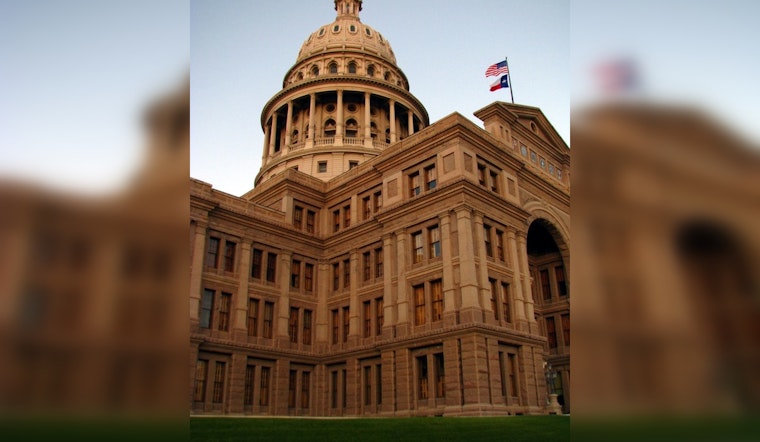
As the new year ushers in a raft of Texas legislation, Senate Bill 8 (SB8) has particularly grabbed the spotlight. Starting January 1, 2026, this law mandates county sheriffs to cooperate with U.S. Immigration and Customs Enforcement (ICE) via the 287(g) program. Despite the intention for heightened public safety, there's growing trepidation among immigration advocates. North Texas groups like El Movimiento and Vecinos Unidos DFW have expressed their concerns, with one community organizer telling KERA, "I think it would drive victims and witnesses of crimes into the shadows. "Everyone deserves to feel safe in their communities without being targeted."
Opponents of the bill, including State Rep. Ramon Romero, warned that such measures contribute to a decrease in police calls in districts like his due to fear of deportation. Romero shared a poignant observation with his fellow House members, "Do you know the weight of my sorrow?" Meanwhile, the law's proponents, like State Rep. David Spiller, see it as a roadmap to safer neighborhoods and better cooperation amongst law enforcement agencies. SB8 also introduces a grant program to assist counties with populations under one million in covering the associated costs, with amounts based on population size, spanning from $80,000 to $140,000, as mentioned by KERA.
Another potent piece of legislation, House Bill 9, will exempt businesses from taxation on up to $125,000 of their inventory. This tax break, beginning January 1, has its champions among businesses. Still, local government stands to lose substantial revenue—up to $442 million in fiscal year 2027—if tax rates aren't adjusted, according to projections by the legislative budget board, as reported by KHOU.
Moreover, Senate Bill 1023 is geared towards making property tax calculations more transparent by requiring electronic forms prescribed by the comptroller and offering a clearer path for taxpayers to verify those calculations. Housing advocates, however, are eyeing Senate Bill 38 with unease as it aims to expedite the process for evicting squatters, potentially undermining tenant protections. In a move to modernize and regulate technology within the state, House Bill 149 establishes the groundwork for the responsible use of artificial intelligence in Texas, imposing restrictions and penalties for violations.
The proliferation of new laws doesn't end there. With topics ranging from ad valorem taxation to unemployment claims, and even software app distribution, Texans are in for a substantial shift come the new year. House Bills ranging from HB 2067's stipulations for insurance policies to HB 3699's simplification of unemployment claims promise to reshape state administrative landscapes in multiple sectors. These are but a few of the pieces making up the legislative mosaic set to alter the day-to-day lives of Texans as we step into 2026.





