

























































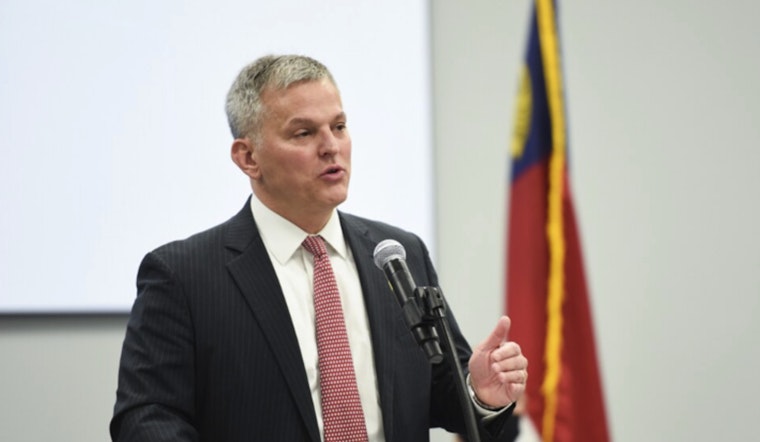
In a significant move to uphold the welfare of Medicaid patients in the state, Governor Josh Stein has ordered the North Carolina Department of Health and Human Services (NCDHHS) to restore Medicaid reimbursement rates back to their previous levels as of September 30. This directive comes in the wake of a budget impasse and subsequent rate cuts in October, which spurred a flood of legal challenges and court rulings that rendered further reductions untenable. "North Carolinians who rely on Medicaid are suffering because the General Assembly has failed to fully fund the program," as per the Governor's Office.
The standoff with the legislature over Medicaid funding has left North Carolina as the sole state without an enacted budget, with NCDHHS asserting that the program was left underfunded by hundreds of millions, leading to concerns that Medicaid could run out of money before the fiscal year's end. NC Health and Human Services Secretary Dev Sangvai stressed the gravity of the situation, saying, "We need the General Assembly to fully fund Medicaid. Underfunding a program this critical and, putting it at risk is not something we can take lightly," as noted by the Governor's Office.
Support for Governor Stein's decision has poured in from various healthcare sectors. Josh Dobson, President & CEO of the North Carolina Healthcare Association, expressed gratitude for the reversal of Medicaid reimbursement cuts, calling it "an encouraging step toward stability for providers and the patients who depend on them." Meanwhile, Dr. Theresa McCarthy Flynn from the North Carolina Pediatric Society highlighted the decision's importance for pediatricians statewide, as the cuts had posed significant challenges for the practices serving children, according to the Governor's Office.
The Behavioral Health and Intellectual and Developmental Disabilities (BH IDD) Tailored Plans are scheduled to launch statewide on December 1, following a review by the Department of Health and Human Services. These plans will combine physical health, behavioral health, and pharmacy services for Medicaid members with significant behavioral health needs, intellectual or developmental disabilities, or traumatic brain injuries. The update is part of the state’s ongoing effort to improve and coordinate Medicaid services.
The restoration of Medicaid rates has been welcomed by many healthcare providers across the state, including those offering substance-use treatment, autism services, and mental health support. Representatives from several organizations, including NCOTA and the Developmental Disabilities Facilities Association, emphasized the importance of continued collaboration with state leaders to ensure long-term, stable funding.
Many healthcare groups continue to urge the General Assembly to secure full and adequate Medicaid funding. Providers across different fields, from home care to dental services, are highlighting the need for reliable support to protect the health of more than 3 million North Carolinians who rely on Medicaid.



.jpg)