

























































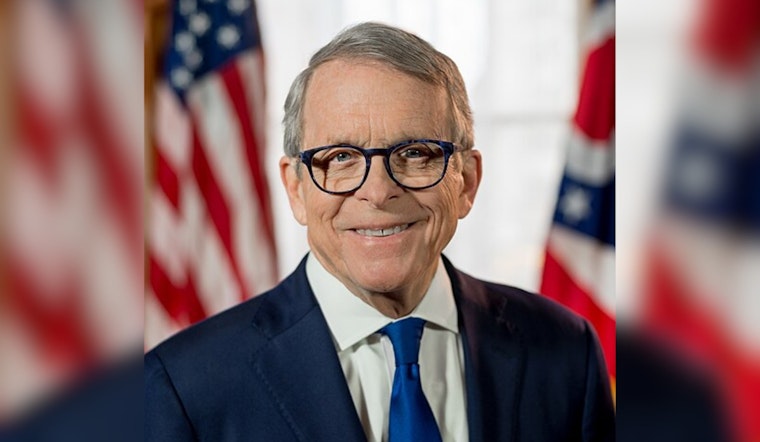
In a bid to modify the state's property tax system, Ohio Governor Mike DeWine signed several bills into law—bills applauded for providing "meaningful relief" to residents while upholding the funding for crucial services, as laid out by the Governor's office on December 19th. Among the pieces of legislation are House Bills 124, 129, 186, 309, and 335, all sponsored by State Representative David Thomas (R-Jefferson), which collectively aim to streamline property tax processes, establish fixed-sum levies for schools, limit tax increases tied to inflation, reform county budget commissions, and cap revenue hikes from inside millage levies following reappraisals or updates.
Expanding beyond tax matters, the wave of legislation touched sectors from agriculture to corrections, encompassing new regulations on imitation meat and the E-Verify system in the construction industry, and addressing inmates' access to hygiene products—each law reflecting a distinct facet of Ohio's legislative concerns. Yet, within this batch, Governor DeWine deemed it necessary to balance out the lawmaking with a partial veto, he struck down a section of Senate Bill 56, which originally aimed to extend the sale of intoxicating hemp beverages until near the end of 2026, thus contradicting forthcoming federal bans and potential consumer safety issues as cited in his veto message.
Further details on Senate Bill 56 reveal that Governor DeWine backed his veto by underscoring the discrepancies between THC and alcohol, highlighting metabolism differences and the misleading nature of marketing such products similar to alcohol, according to the Governor's statement issued alongside the bill signing announcement. This sharp dismissal underlines a broader caution towards substances yet to align with alcohol's regulatory framework, underscoring perceived risks over perceived benefits.
The slew of bills now stamped with Governor DeWine's signature points towards a comprehensive, albeit piecemeal, approach to governance, attempting to shore up the fortitude of Ohio's fiscal tools while also navigating the complexities of agricultural innovation, the vitality of equitable treatment in the penal system, and the maintenance of integrity in sports and workforce composition as seen in the other laws enacted from House Bill 10 through Senate Bill 293. Each bill weaves a thread into the broader tapestry of Ohio's statutory evolution, a microcosm of the state's pursuit to fortify the balance between citizens' concerns and the propulsion of the state's diverse ecosystem of policies, as reflected in the dozen-plus documents signed into law of which not only echo budgetary ambitions but also Ohio's multifaceted socio-economic tapestry.




