

























































Oklahoma is poised to ease the financial burden on adoptive families with a new law that boosts the state tax credit for adoption-related expenses. Starting January 1, 2026, House Bill 2610, will effectively raise the tax credit from 10% to 15% for nonrecurring adoption costs. These are the upfront fees families face when adopting a child, such as legal services, home studies, and various agency fees.
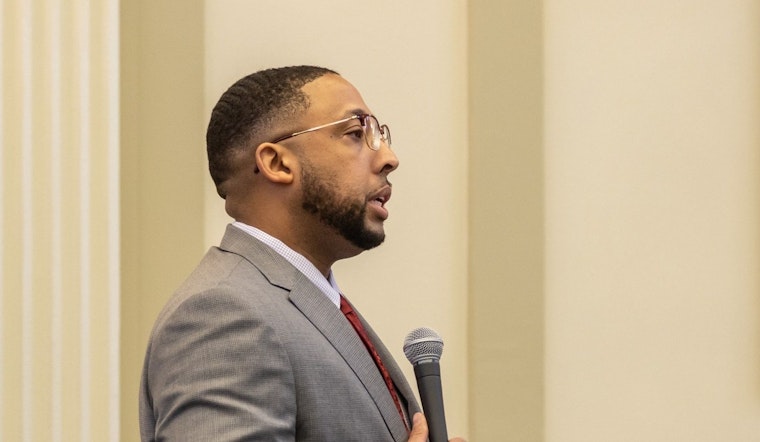
Rep. Erick Harris, the author of the bill, has been an advocate for reducing economic hurdles that potential adoptive parents encounter. "Adoption is an incredibly meaningful way to build a family, but too many Oklahomans are weighed down by out-of-pocket costs that make it harder to say 'yes' when a child needs a home," Harris said on the Oklahoma House of Representatives. This move comes as a response to the high initial costs that can often deter families from following through with the adoption process.
The bill's primary Senate author, Sen. Dave Rader, echoes this sentiment, emphasizing the positive impact on families. "Oklahomans across the state become parents by opening their hearts and homes to children in need," Rader said. "Increasing this tax credit helps support these loving families by easing the financial burden of the adoption process," as mentioned on the Oklahoma House of Representatives website.
For those interested in taking advantage of the increased tax credit, applications will open in 2027. However, any adoption-related expenses that are incurred from January 1, 2026, will qualify for the new, higher credit limit. The cap on the credit is $3,000 for individual filers and $6,000 for joint filers. Those with adoption expenses predating the effective date will still qualify for the former credit rate of up to 10% of expenses, with caps at $2,000 for individuals and $4,000 for joint filers.




