

























































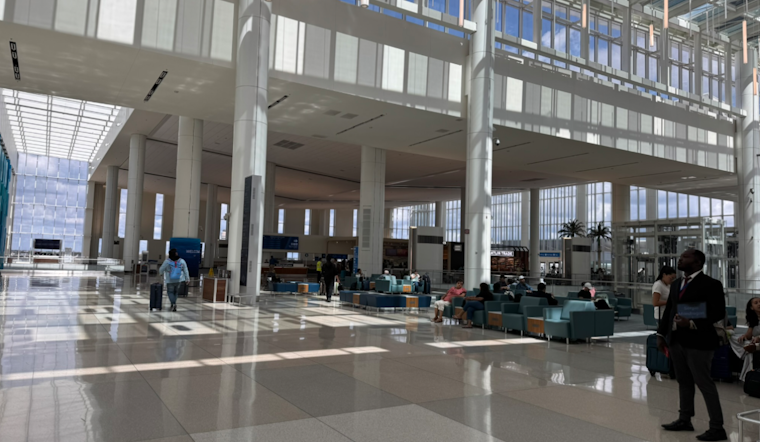
Orlando International Airport (MCO) is undergoing significant changes with the introduction of new biometric scanning systems and the replacement of its terminal transit platforms. CEO Lance Lyttle of the Greater Orlando Aviation Authority revealed an increase of over 800,000 international passengers in 2024 compared to the previous year. To manage this surge, MCO is implementing biometric technology to improve passenger flow while enhancing security measures.
In a quest to keep queues short and processing swift, the airport is testing three biometric exit screening systems, as part of a 90-day pilot program that's set to start on Dec. 26. Non-U.S. citizens will be required to participate in the biometric system, wherein U.S. citizens have the option to opt out. According to FOX 35 Orlando, these systems could slash wait times by as much as 43%, a figure that mirrors the Greater Orlando Aviation Authority’s target to cut passenger processing times by 60% in the next five years.
One of the vendors involved in this pilot is Aware, Inc., whose CEO, Ajay Amlani, said their tech is inclusive, functioning across a diverse array of individuals. “It’s much more inclusive technology than any other technology for being able to board an aircraft, and much more secure, because it’s utilizing a biometric which is anchored to your identity," Amlani stated, as reported by My News 13. Diane Sabatino of the Office of Field Operations with CBP also praised the efficiency of biometric screening, emphasizing that even saving a couple of seconds can significantly impact the whole process.
Additionally, the airport has commenced an extensive update on its gate link trams, which began Sunday night. These trams shuttle passengers directly from security checkpoints to their respective gates. The replacement project, tagged at $253 million, aims to heighten reliability and safety for the travelers, with a completion horizon within two years. Although tram services will be affected, alternative transportation in the form of buses is expected to be in place to cover any shortfalls, especially during overnight hours when trams shut down for maintenance.





