

























































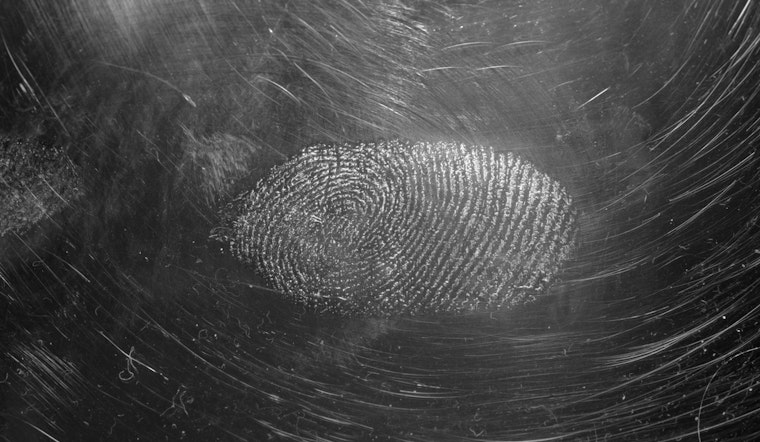
In a post that highlights the continuous evolution of forensic science, the Pinellas County Sheriff's Office has shared how a trace of gold, typically associated with wealth and adornment, is now a key player in their quest to unveil the often elusive whispers of fingerprints left behind on a crime scene. The Sheriff's Office outlined the functioning of their Vacuum Metal Deposition Chamber (VMD), which utilizes about 4.4 mg of gold per process to develop fingerprints on challenging surfaces such as fabric and currency. This technology steps in when traditional fingerprint powder falls short, particularly on porous materials or objects that have been submerged or buried.
Using the VMD, forensic specialists at the Sheriff's Office can reveal detailed negative images of prints by first evaporating gold onto the evidence within a vacuum chamber, the gold clings to every space but the print, then a layer of zinc is added to make the print stand out, throughout this, the DNA is kept intact for testing. Superglue fuming, while effective on non-porous surfaces, doesn't match the sensitivity of the VMD – especially as prints age or are subjected to harsh conditions, a challenge it can't really can't stand up to, the VMD being more sensitive and preserving clear ridge patterns better on porous materials that would otherwise absorb superglue vapors without yielding much detail.
Efficiencies in the forensic process are also on the rise thanks to this technology. With VMD, larger items that could potentially bear fingerprints, such as bedsheets, are scanned to show the precise locations of prints. This allows for a more targeted approach, focusing time and effort on specific sections for further examination instead of laboriously processing the entire item.
In their social media post, the Pinellas County Sheriff's Office also provides a crucial caveat when interpreting forensic evidence, stating, "Finding a fingerprint or DNA on evidence doesn't automatically make someone a suspect."



