

























































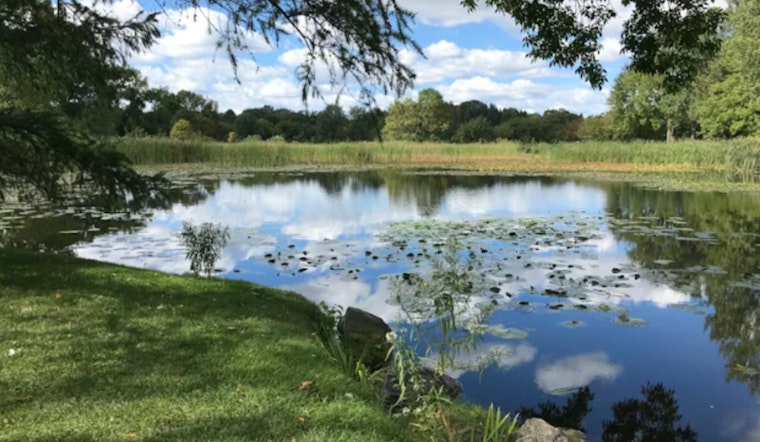
The stink hits first. For weeks, Kaneohe residents say a stubborn rotten-egg odor wafting off Nu'upia Pond has been so overpowering that families are keeping kids inside and closing windows, even on breezy days. Along with the smell, neighbors report headaches, burning eyes, sleepless nights and flare-ups of chronic lung disease. At least two people, they say, have ended up in the emergency room. Community leaders are pointing the finger at hydrogen sulfide from rotting mangroves along the Marine Corps Base Hawaii shoreline and are pushing officials to start testing the air and water.
As reported by KITV, retired physician Len Rossoff told the neighborhood board in November that neighbors were cutting back on outdoor time because of the stench and that some residents were seeing their respiratory symptoms worsen. Rossoff said he had documented sleeplessness, headaches, red eyes and one case of corneal edema, and that others reported emergency-room visits for exacerbated lung disease.
“Initially people were disgusted by the smell,” said Dr. Eileen Hilton, president of the Windward Coalition, adding that some neighbors later reported illnesses and even vision loss. Residents have urged the military to pause mangrove removal until tests can confirm whether decaying vegetation is actually to blame, according to KITV.
How Rotting Mangroves Produce Hydrogen Sulfide
Hydrogen sulfide (H2S) is a colorless gas with a notorious rotten-egg smell. It can form when organic material breaks down in low-oxygen conditions, such as stagnant pond water. Federal health officials note that low-level exposure can cause eye and breathing irritation, headaches and sleep disruption. At very high levels, the gas can be dangerous. The Agency for Toxic Substances and Disease Registry provides a detailed profile of hydrogen sulfide and its potential health effects.
Military And State Oversight
Marine Corps Base Hawaii has been removing invasive mangroves by hand along the Kaneohe Bay shoreline as part of its effort to control non-native vegetation on federal land. On the state side, the Department of Health oversees water quality and environmental rules. Earlier this year, the department issued a Notice of Violation and Order tied to the base’s Kaneohe Bay water-reclamation operations, underscoring the state’s regulatory role over the installation’s environmental practices.
Neighbors' Requests And Next Steps
Community members say they want independent testing of both air and water and have asked the base to put mangrove work on hold until investigators can pin down the source of the foul odors. Neighborhood board leaders say they plan to keep pressing local officials for a clear testing timeline and regular public updates, while residents continue to log symptoms and seek medical care as needed.
Anyone who experiences severe trouble breathing, chest pain or sudden changes in vision should seek emergency medical care. Public-health agencies also encourage residents to report persistent potentially toxic odors to local authorities so they can be formally investigated. We will track whether the Department of Health or Marine Corps Base Hawaii release testing results or an official response and will update this report as new information emerges.




