

























































West African cooking is staking its claim on Sacramento’s grid, and jollof is front and center. Home-style family recipes and small operators are turning cloud kitchens and low-key counters into destination spots, with AfroEatz and Naija Cuisine pulling in diners for Liberian dry rice, Nigerian jollof, hefty egusi stews and “swallow” dishes like fufu, which you rip apart with your hands and drag through soup.
As reported by The Sacramento Bee, local coverage breaks down the menus, pricing and personalities behind the food, calling out AfroEatz’s jollof and peanut-butter soups alongside Naija Cuisine’s beans-and-goat plates. The Bee also notes vegetarian spins on jollof, pepper soup and egusi at both spots. Diners and cooks told the paper that closely guarded family techniques, plus a touch of smoke, are what make each version of jollof taste distinct.
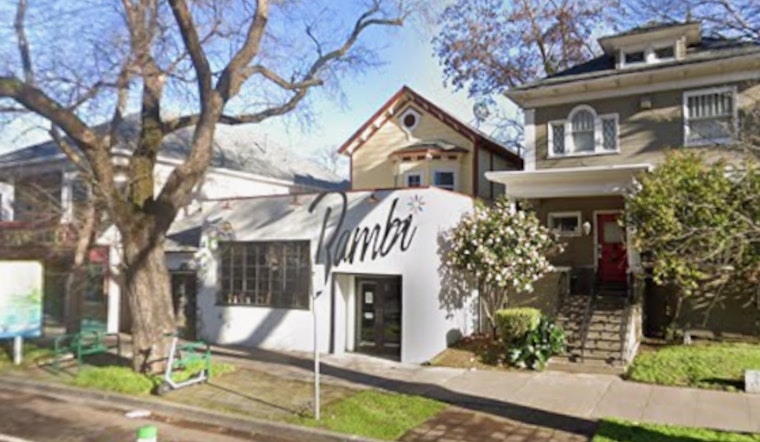
AfroEatz, run by Sayeah “Pinky” Mayson, Tonia Sambola and Warnerlyn Warner, has graduated from a cloud kitchen to a Midtown address and lists its hours, ordering information and menu details on its website. Coverage of the brick-and-mortar debut highlighted plans for a mural and a full dine-in setup after a stretch of delivery-first service, according to What Now Sacramento. AfroEatz’s online ordering page spotlights dishes like palm-butter stews, dry rice and fried plantains.
Naija Cuisine keeps the classics alive
Naija Cuisine, led by Adeola Adedayo, has taken its own winding route, evolving from food-court counters and ghost-kitchen operations into a takeout-centered setup cooking out of a commercial kitchen at Pioneer Church on L Street, The Sacramento Bee reports. Comstock's tracks Adedayo’s path from mall counters to pop-ups and neighborhood service, spotlighting staples such as egusi, suya and jollof. Adedayo has told reporters that ingredient costs have jumped because of tariffs, putting extra pressure on small, ingredient-heavy menus.
Why the recipes matter
Jollof’s many regional variations double as a history lesson and a friendly bragging-rights contest. Food historians often trace the dish back to the Senegambia region and the Wolof people, a background that shows up in reporting on how jollof spread across West Africa. Those roots help explain why you might hear Sacramento cooks talk about “smokier” Nigerian techniques at one table and a more fish-forward, one-pot style linked to Senegal at another. Staples like fufu, whether made from pounded yam, plantain or cassava, act as a kind of edible utensil for thick stews and are described in food histories and encyclopedias as traditional starch partners for soups such as egusi and pepper soup.
For now, both kitchens offer Sacramento a way to taste those differences without a passport. AfroEatz posts hours and an online ordering page on its website, while Naija lists menus and takes pickup orders through its ordering portal and by phone. Together, they sit inside a small but steadily growing cluster of West African food in the city, from pop-ups to cloud kitchens to full dining rooms, that is pulling long-standing regional recipes into clearer view. Expect more versions of jollof on local menus and more cooks quietly claiming a family secret as the scene keeps expanding.



