

























































San Antonio now has a new kind of traffic, and it is not on Loop 410. Amazon’s Prime Air drones are officially zipping over parts of the city, dropping lightweight packages in roughly an hour from a converted section of the company’s East Side facility. Neighbors near the launch site have already started spotting the blue-and-white drones gliding into yards and driveways like very punctual mechanical birds. The rollout marks the latest step in Amazon’s push to bring drone delivery to more U.S. cities while it keeps fine-tuning safety systems and flight routes, as reported by KENS5.
Local TV crews were the first to spotlight the rollout, reporting that Prime Air can deliver tens of thousands of eligible items in as little as one hour across parts of San Antonio. According to KENS5, the drones are programmed to descend only to preselected delivery points and will bail out of a mission if conditions turn unsafe. For now, the station notes, flights are limited to daylight hours and cooperative weather.
KSAT reports that the Prime Air MK30 drones are cleared to carry packages up to five pounds within a roughly seven to eight mile radius of the fulfillment site. KSAT also says Amazon is charging $4.99 per drop for Prime members and $9.99 for non-Prime customers, and customers must pick designated landing spots that sit at least 10 feet away from people and anything taller than five feet. Several residents told the station they like the speed, but are already wondering how noisy the skies might get and what all those cameras and sensors will mean for privacy.
Where the drones will launch
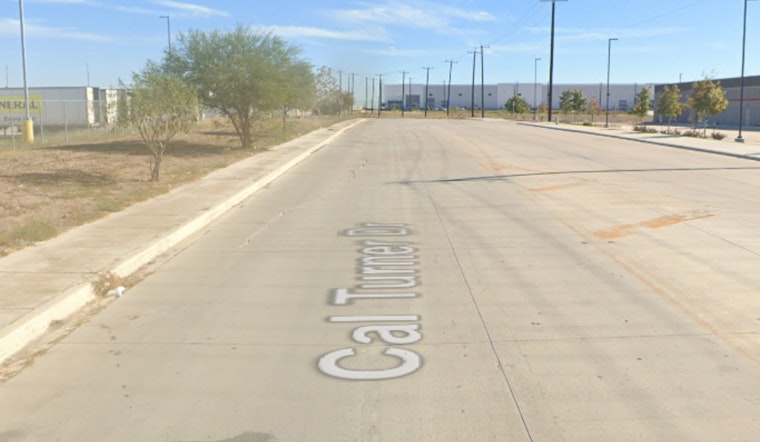
The launchpad for all this is Amazon’s SAT3 complex on the East Side, at 6806 Cal Turner Drive. The company set up Prime Air operations there after the City Council signed off on a zoning change earlier this year, according to the San Antonio Express-News. The paper reports Amazon is carving out about 9,400 square feet inside the 3.6 million square foot facility to house launch pads, charging and maintenance bays, and a flight-monitoring center. Some councilmembers pushed back, raising alarms about automation replacing human jobs and about unleashing autonomous aircraft over residential neighborhoods.
Regulatory scrutiny after a Texas mishap
San Antonio’s rollout comes as federal regulators are already watching Prime Air closely. An MK30 drone clipped an overhead internet cable during a delivery run in Waco on Nov. 18, prompting the Federal Aviation Administration to open a review, as reported by Reuters. Amazon told Reuters the drone executed a “safe contingent landing,” and there were no injuries or broad outages, with the company footing the bill to fix the damaged line. The incident has become a case study in the trade-offs regulators and operators are wrestling with as drone corridors slowly expand above busy neighborhoods.
What San Antonians are saying
Amazon, along with some city officials, argues Prime Air will bring more high-tech jobs to the local workforce. Labor advocates and a few councilmembers are not so sure, warning the technology could chip away at driver and warehouse positions instead, the San Antonio Express-News reported. The paper noted that Mayor Ron Nirenberg and Councilmember Teri Castillo both voiced reservations during the zoning debate. For now, officials say the precise service area and rollout timeline will depend on final FAA sign-offs and how early operations perform.
How to request a drone drop
If your address lands inside the Prime Air coverage zone, a drone delivery option should pop up at checkout. You can then pick from pre-approved landing spots, and you do not have to be home when the drone swings by, although orders must be placed by someone who is at least 18 years old, KSAT reports. Amazon says the drones are built to scan for obstacles before touching down and to abort or reroute if onboard systems flag any hazards. The company and city staff say they plan to release routing maps and eligibility details as Prime Air slowly spreads into more San Antonio neighborhoods.





