

























































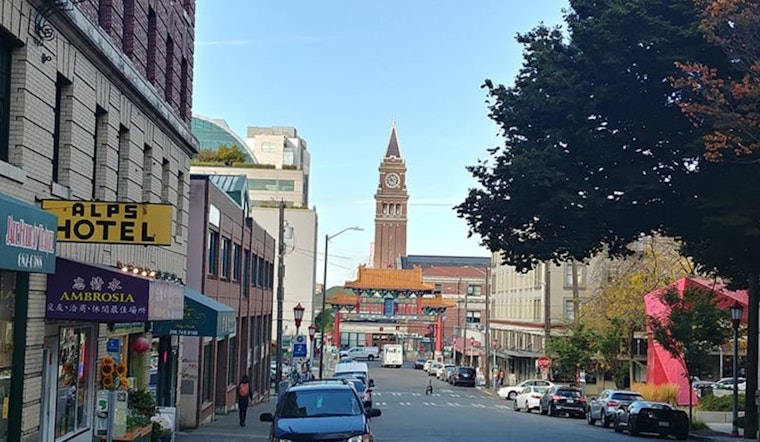
The International Special Review District (ISRD) in Seattle has announced the newly elected members of its board. The ballot count, which occurred on Tuesday, revealed that 89 ballots were cast in the election that determined the board’s newest participants, each to serve starting January 1, 2026, according to information gleaned from the Seattle Department of Neighborhood's Front Porch blog.
Victorious in the election for different board positions were Hyan Ho, Zhiyun Zhu, and Kyle Jacobson; Ho will fill Position #1, designated for a Business owner, Property owner, or Employee, Zhu won the seat for Position #2, meant for a Resident, Tenant or Community Participant, and Jacobson was re-elected for Position #4 as a Resident, Tenant or Community Participant these roles are critical as the ISRD Board collaborates to uphold the district's distinctive character, a blend of cultural economic and historical elements that the City ordinance aims to protect. Board members, appointed for two-year terms, have the potential for re-election for one subsequent term.
The ISRD Board was established in 1973 with the objective to safeguard and proliferate the cultural and historical attributes of the Chinatown International District. The board consists of seven members, five elected by the community of the CID, and two appointed directly by the Mayor. Former members who completed their service in November 2025 are Eric Chan, Gary Lee, and other members including the outgoing chair Heather Hargesheimer, according to the press release.
The Seattle Department of Neighborhoods (DON), under whose coordination the ISRD operates, manages more than 400 historic sites and structures and facilitates historical preservation through the city, in addition to the efforts of the ISRD Board, the City of Seattle recognizes eight historic districts, the DON as a whole works to engage communities throughout Seattle, fostering robust, sustainable neighborly relations by providing a variety of resources touching everything from gardening to tenant rights, this broad range of programs, which includes the Neighborhood Matching Fund and the Indigenous Advisory Council, strives to ensure equitable access and improve quality of life across the city.





