

























































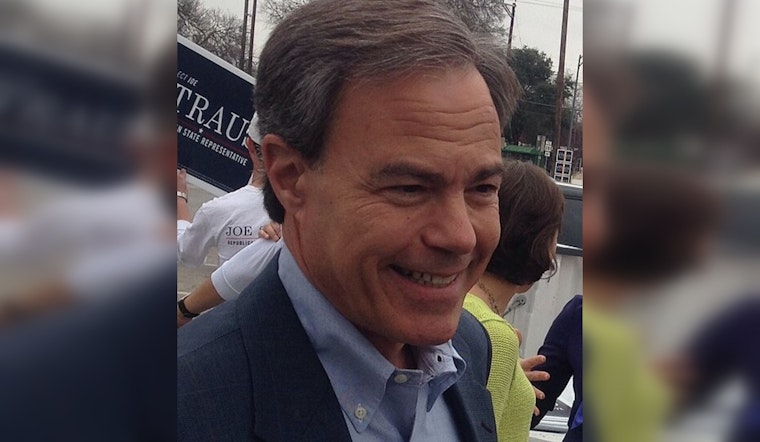
A Hearst Newspapers review published Wednesday found that a number of former Texas lawmakers are still tapping leftover campaign funds for high-end meals, hotel stays and travel long after they walked away from public office. The purchases, ranging from steakhouse tabs to luxury hotel nights and continued consultant salaries, have reignited debate over whether the state’s rules effectively let political war chests turn into open-ended slush funds.
As reported by the Houston Chronicle, the review found Texans for Joe Straus paid more than $2 million in consultant and staff salaries and still showed roughly $2 million on hand in its most recent filings. The Chronicle also documented line-item spending that included an $850 Ritz-Carlton charge labeled “lodging for political business.”
Big-Name War Chests Still Wide Open
Former House Speaker Joe Straus’ Texans for Joe Straus committee has continued operating years after he left the Capitol, paying consultants and subscriptions while holding millions, according to the Express-News. Straus’ spokesperson, Jason Embry, has been paid roughly $358,000 by the committee, and the PAC has made donations and staff payments that watchdogs say look more like ongoing political activity than a slow wind-down.
Eltife’s Bills: Hotels, Charters And Steakhouse Checks
Former state Sen. Kevin Eltife, who now serves as chair of the University of Texas System Board of Regents, has charged tens of thousands of dollars for travel and lodging to his lingering campaign account, including about $71,000 on hotels and roughly $43,000 on air charters, along with smaller meal charges such as a $717 dinner at J Carver, the Houston Chronicle reported. Eltife told the paper he believes the expenditures fall within state rules and said donors have not complained.
What The Law Actually Allows
State rules require many former candidates and officeholders to dispose of unexpended campaign funds within six years, but that clock starts only after a politician files a final report, a technicality critics say can be used to keep accounts open indefinitely. The Texas Ethics Commission’s rules outline the six-year disposal window and the permissible ways to spend or dispose of unexpended funds.
“Donors definitely have expectations of what a candidate or official is going to do with their money,” Anthony Gutierrez of Common Cause Texas told the Express-News, calling the six-year deadline “meaningless.” Former Rep. Chet Edwards, the author of the 1987 law, told the same paper the six-year timeframe was meant to be a short window for disposition and warned that indefinite accounts can “undermine the integrity of our political system.”
Why The Piles Of Cash Keep Sitting There
Straus’ situation is not new. In 2017 he was reported to have nearly $10 million in unspent campaign cash, an amount documented by The Texas Tribune. Since then, a mix of donations, limited spending, and investment income has let some accounts keep sizable balances far beyond a politician’s last election.
Reform advocates say lawmakers should tighten the clock and require clearer reporting so donors know when contributions are being used for active political purposes instead of open-ended reputation-building. For now, watchdogs are left to track campaign filings and receipts line by line to see how these aging war chests are being drained, if they are being drained at all.





.jpg)