

























































Pacific Whale Foundation and its partners have already yanked more than 12,000 pounds of marine debris from Maui waters in 2025, a backbreaking haul that includes massive, entangling "ghost nets" and other abandoned fishing gear. The combined offshore and shoreline cleanups highlight the constant pressure that drifting trash puts on local reefs and the marine life trying to survive around them.
According to Maui Now, the Rapid Response program has pulled in about 8,080 pounds of debris this year, while reef and harbor dives plus shoreline sweeps have accounted for roughly 3,973 pounds. "Marine debris doesn't wait, and neither do we," said Susan Frett, conservation programs director at Pacific Whale Foundation.
How The Response Works
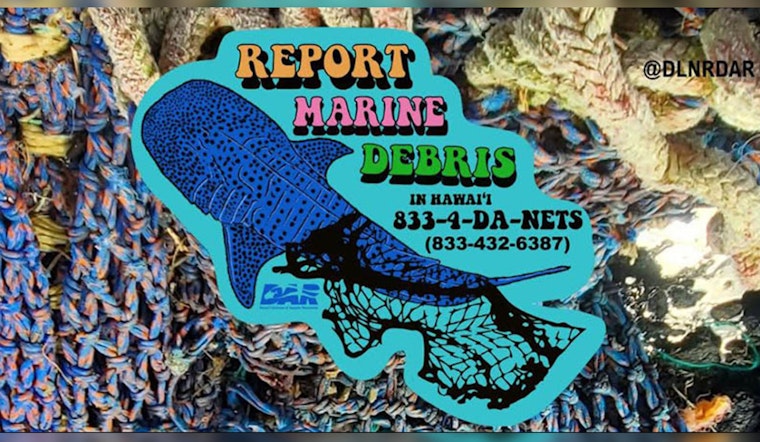
Pacific Whale Foundation serves as the designated Marine Debris Rapid Response partner for Maui Nui and asks the public to report large nets or hazardous debris by calling 833-4-DA-NETS or using the state's Marine Debris Report Form, per Pacific Whale Foundation. The state's reporting page explains that the hotline routes callers to island contacts and coordinates contracted partners across Hawai‘i to create a unified rapid-response system. DLNR Division of Aquatic Resources outlines how to use the hotline and online form to flag debris.
Why Ghost Nets Are Such A Threat
Much of what crews are dragging ashore are ghost nets, derelict fishing gear that can drift for months or even years and keep "ghost fishing" long after being abandoned. Research highlighted by Hawaii Sea Grant shows these nets can smother coral, grind down fragile reef structures and snag whales, turtles and seabirds, which is why fast removal and careful in-water work are so critical.
How To Report And Volunteer
Volunteers can opt in to Pacific Whale Foundation's text-notification system to join scheduled shoreline cleanups or reef cleanup dives, and the organization mobilizes trained crews for in-water recoveries and tough shoreline extractions, per Pacific Whale Foundation. If you spot a large net, vessel gear or any debris you cannot safely haul away by hand, officials ask that you call 833-4-DA-NETS or use the state's report form so responders can move quickly.
Turning Nets Into Products
Some island partners are also experimenting with reuse. Reporting by Maui Now details how Hawai‘i Pacific University's Center for Marine Debris Research is sorting and testing recovered nets to turn them into recycled lumber and other infrastructure products. That nets-to-products effort offers one path to keep plastic out of landfills and reduce the chance that the same gear ends up back in the ocean.
Pacific Whale Foundation and partner groups say they will keep mobilizing as long as reports come in, and officials stress that quick reporting cuts the risk to whales, turtles and coral. For large or entangling debris, call 833-4-DA-NETS; for ongoing volunteer opportunities, check Pacific Whale Foundation's programs and event listings.




