

























































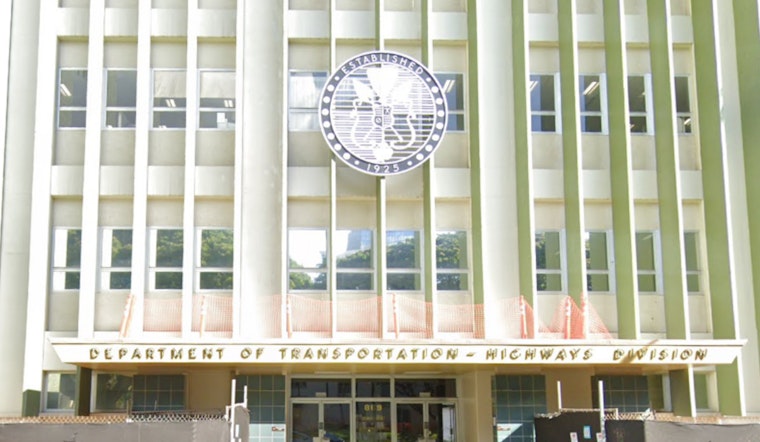
Hawaii has quietly launched a traffic enforcement blitz after a steep jump in road deaths last year, with deputy sheriffs now pulling extra highway shifts on the state’s dime. The Department of Transportation is paying for overtime patrols, and the beefed-up effort began in late December, with teams already working major corridors on Oʻahu. Officials say the short-term push is aimed squarely at weekday speeding around schools and impaired drivers on weekend nights.
According to Honolulu Civil Beat, Transportation Director Ed Sniffen told the outlet his agency has committed about $2 million in federal highway-safety funds to cover deputies’ overtime during the crackdown. Honolulu Civil Beat also reported that focused patrols started in late December and that small teams are already deployed on Oʻahu. The money is structured as overtime so that routine courthouse and port posts are not supposed to be left uncovered.
Why Officials Say Enforcement Is Urgent
State numbers show just how rough 2025 was on Hawaii roads. A total of 129 people were killed in traffic crashes last year, according to the Hawaiʻi Department of Transportation. In a department release, Director Ed Sniffen said more than 90% of those fatal crashes could be traced to driver behavior such as speeding, impairment and distracted driving. To keep the message from getting lost in the noise, DOT is pairing the stepped-up enforcement with a Safe Roads campaign that includes an app designed to nudge people toward safer habits behind the wheel.
How Deputies Will Be Used
Mike Lambert, who heads the state Department of Law Enforcement, told lawmakers that sheriff deployments will follow what he described as a data-driven plan, keyed to local complaints and crash trends, according to his testimony to the House Finance Committee. Lambert said the strategy puts heavy emphasis on school zones during daytime hours and on weekend evening patrols for speeding and DUI. Deputies are expected to coordinate with county traffic units so that patrols line up with, rather than duplicate, local police efforts. Officials say the intent is a surgical approach, relying on small, intelligence-led teams instead of broad, long-term reassignments.
Staffing and Overtime
The sheriff division is already stretched thin. Honolulu Civil Beat reported that DLE told lawmakers there are roughly 136 vacancies out of 490 authorized sheriff positions. Department leaders say the traffic details will be filled by current deputies who volunteer for overtime shifts paid with DOT funds, allowing day-to-day courthouse, airport and harbor posts to stay staffed. A DLE public information officer said the department spent the past year building partnerships with county police to flag local hot spots and avoid stepping on each other’s operations.
Enforcement Now, Engineering Later
Traffic experts often point out that while enforcement can change behavior fairly quickly, the bigger safety gains from road design and infrastructure upgrades take longer to land. National coverage has noted that states are increasingly blending enforcement with technology and data tools, from AI-powered dashcams to more targeted maintenance programs, to spot hazards and prioritize fixes, as the Associated Press has reported. Hawaii officials say the same mix is the goal here: rapid enforcement and public education now, paired with longer-term infrastructure improvements meant to drive the numbers down.
For now, drivers around the islands can expect to see more marked patrol cars near schools and along busy weekend routes, as sheriffs and county officers coordinate their shifts. State leaders are framing the overtime-backed teams as a fast response to a grim year on the roads, while they sort out how to tackle deeper funding and staffing gaps. In the meantime, DOT is urging drivers to slow down, buckle up and check out the Safe Roads Challenge tools the agency has rolled out.




