

























































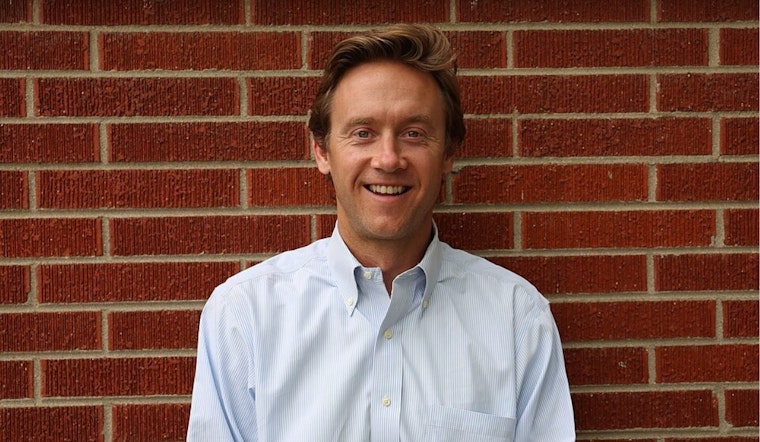
Mayor Mike Johnston is taking heat as a long planned safety overhaul of East Alameda Avenue turns into a political migraine. Denver’s Department of Transportation and Infrastructure, or DOTI, recently scaled back the original safety plan, and the move has triggered neighborhood protests, a resignation from a DOTI advisory board member, and a formal letter from a majority of City Council members. The new approach keeps more travel lanes than the earlier “road diet” would have removed, which has safety advocates and some neighbors accusing the city of favoring well connected opponents even as officials say the safety goals are unchanged. DOTI says the revised design will still meet the corridor’s safety objectives, but the sudden reversal has sharpened questions about transparency and whose voices carry the most weight at City Hall.
DOTI's revised design and timeline
In November, the Department of Transportation and Infrastructure rolled out a revised plan that partially repurposes lanes on East Alameda Avenue instead of removing one entirely. The design keeps three travel lanes and converts portions of the westbound lane into left-turn pockets. As reported by Denverite, DOTI estimates the redesign will add roughly $100,000 in additional planning expenses to a project budget of about $570,000. The agency has penciled in construction from November 2026 through September 2027, with some pedestrian improvements likely to be installed earlier.
Who pushed back and how
The reversal followed organized opposition from a group called Act for Alameda, led in part by Jill Anschutz, which gathered roughly 300 signatures against the original design. According to reporting, members of the group worked with a former DOTI deputy chief of staff who later registered as a lobbyist. Denver7 and other local outlets have noted that the sequence of private meetings and outreach documented in public records is what many neighbors point to as the turning point for the project.
Community reaction
Neighbors in Washington Park did not take the change quietly. The West Washington Park Neighborhood Association collected more than 1,000 signatures in support of the original three-lane design and staged a rally in December to deliver the petition to City Hall, Westword reported. The dispute also prompted at least one longtime member of DOTI’s advisory board to resign in protest and helped fuel op eds questioning whether the administration is living up to its Vision Zero safety commitments.
Council pushes, mayor defends
A letter signed by eight City Council members urged Mayor Johnston to restore the original, extensively vetted design and warned that residents’ safety was being put at risk, according to Denverite. Johnston has rejected claims that wealthy neighbors had outsized influence over the decision, telling The Denver Post that the idea the city bowed to moneyed interests is a “totally false narrative” and that the choice to revise the design was guided by DOTI experts.
Political fallout
The fight over Alameda lands in the middle of already tense relations between the mayor’s office and City Council, a power struggle that has complicated budget decisions and infrastructure priorities in recent months, Axios noted. Opponents argue that the optics of a safety plan being scaled back after private lobbying undermine trust in the city’s public engagement process and could make it tougher for Johnston to sell future projects to skeptical neighborhoods.
What happens next
DOTI says it will continue safety analyses and public outreach as it finalizes the Alameda design and plans to brief City Council and neighborhood groups in the coming months, Denver7 reported. Some pedestrian treatments from the original concept, including flashing crosswalks at Franklin Street, could be installed early next year, while the broader corridor construction is still expected to run from late 2026 into 2027, Westword said.



