

























































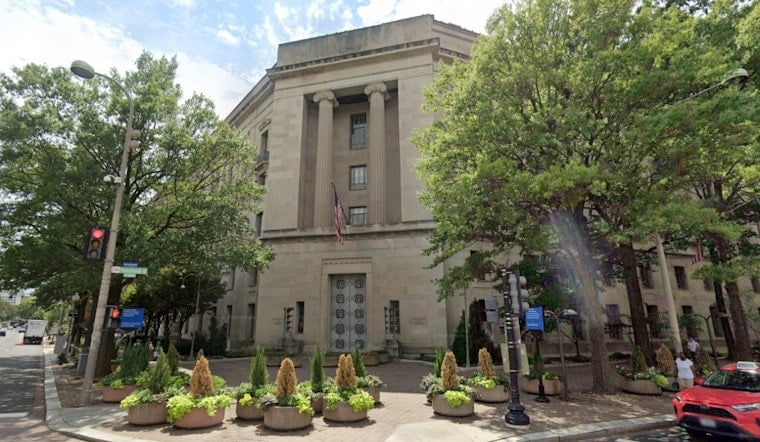
The U.S. Department of Justice jumped into Colorado's U‑visa fight on June 2, moving to intervene in a federal lawsuit that targets the state's 2021 law on U‑visa certifications. Federal lawyers say the statute wrongly rewrites who can sign the forms that help crime victims seek temporary immigration status, turning a simmering policy dispute into a full‑blown courtroom clash over how much power states have to steer a process Congress largely left to federal law. Colorado officials and immigrant advocates are already split over whether the measure fixes uneven local practices or pressures agencies to "rubber‑stamp" applications.
DOJ steps in and why
In a June 2 press release, the Justice Department said HB21‑1060 "distorts the U‑Visa process" and argued the law strips away key discretionary checks Congress intended. Federal officials warned the statute could effectively force Colorado certifying officers to sign for applicants who are not genuinely helpful to investigations, which the department says federal law does not allow.
What the Colorado law does
HB21‑1060, signed by Gov. Jared Polis in 2021, sets statewide deadlines and reporting requirements for agencies handling U‑visa certification requests and limits what information local officials may share with federal immigration authorities. Backers framed the law as a fix for wildly inconsistent local policies, while critics say it trims the list of factors officials can consider when delaying or denying certifications. The measure and its implementing guidance direct agencies to process requests within specific timelines and report certifications and denials to the state's Division of Criminal Justice, according to the Colorado Legislature.
Who sued and what they argue
Douglas County District Attorney George Brauchler and Sheriff Darren Weekly filed the federal lawsuit in January 2026, arguing that HB21‑1060 unlawfully ties the hands of prosecutors and undermines public‑safety decisions. The plaintiffs claim the statute would "force Colorado officials to rubber‑stamp U‑Visa applications" instead of letting law enforcement decide whether an applicant has meaningful information for prosecution, as reported by Colorado Politics. They are asking the court for an injunction that would block the law while the case plays out.
How the U‑Visa program works
Congress created the U non-immigrant status in 2000 through the Victims of Trafficking and Violence Protection Act to bolster prosecutions and shield victims who help law enforcement. To qualify, applicants must meet several requirements, including obtaining a certification from an appropriate law enforcement official. Federal law caps principal U visas at 10,000 per fiscal year, a limit that makes each certification decision carry real weight, according to USCIS.
State reporting and local practice
Colorado's Division of Criminal Justice maintains the forms and guidance agencies use to process certification requests and requires yearly reporting on requests, approvals, and denials as part of HB21‑1060's rollout. State officials designed those reporting rules to create more uniform practices after advocates complained that victims ran into dramatically different standards from county to county, according to guidance from the Colorado Division of Criminal Justice.
Legal implications
The Justice Department argues that HB21‑1060 is preempted by federal immigration law and has asked to intervene in the case to protect the federal U‑Visa program's regulatory framework, according to the department's filing. Whether the federal court agrees, and whether any part of the state statute survives, will be decided through motions and briefing now that the DOJ is formally in the mix and local officials first brought the challenge in January, as reported by Colorado Politics.
What this could mean for victims and agencies
Supporters of HB21‑1060 argue it finally smooths out the patchwork of local practices that left some survivors unable to even apply for federal protections. When the bill passed, the Rocky Mountain Immigrant Advocacy Network said that "Colorado victims have been subjected to inconsistent policies across the state, unfairly preventing them from applying for a U‑Visa," a concern highlighted in local coverage. If courts ultimately side with the DOJ, state agencies could be required to restore broader certifying discretion for law enforcement officials. If Colorado prevails, agencies may have to stick with the law's standardized timelines and reporting rules.
The court must now decide whether the Justice Department can formally join the lawsuit and whether Colorado's attempt to standardize certifications unlawfully intrudes on federal immigration authority. Either way, the ruling is set to reshape how local officials across the state handle requests from crime victims seeking U‑visas.





