

























































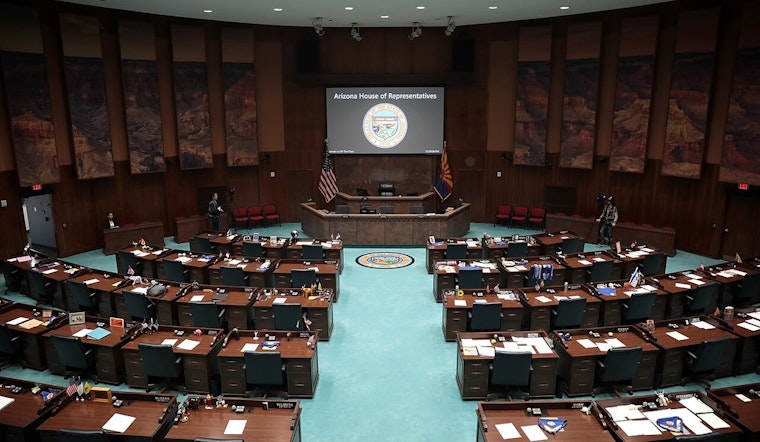
Arizona's move to bolster its healthcare system took a step forward as House Republicans geared up to put key provisions of H.R. 1, known as the One Big Beautiful Bill Act, into action. As reported by The Arizona Legislature's official website, the State's House Health and Human Services Committee convened on Monday to discuss six bills aligning with the federal reforms. This legislative push comes in response to swelling Medicaid costs, which have soared from $13 billion to $23 billion over four years, and is seen as a measure to restore sustainability and accountability to the system.
"Medicaid was created to protect the vulnerable, not to bankroll waste, fraud, and unchecked growth," House Majority Leader Michael Carbone stated, highlighting an urgent need for reform. The primary Medicaid reform bill, HB 2796, aims to enforce eligibility through rigorous verification processes, involving cross-agency collaboration to ensure accuracy in income, residency, and other vital parameters. Notably, 82 percent of the public supports using state and federal data for verifying eligibility, and 75 percent back semiannual checks, as per polling mentioned by The Arizona Legislature's press release.
The focus is firmly placed on rural health as well, with H.R. 1's Rural Health Transformation Fund Bills set to advance Arizona's standing when it comes to future federal funding. By implementing measures such as workforce compacts and legislative oversight of rural health spending, the state is positioning itself better in the federal landscape. Chairman Selina Bliss pointed out the understated crisis facing rural Arizona, saying, "Congress put $50 billion on the table to stabilize rural health care, yet Arizona ranked near the bottom in funding." She underlined the necessity for policies that not only bolster the workforce but also guarantee proper allocation and utilization of these funds.
Arizona Republicans appear determined to synchronize state policy with the federal mandates of H.R. 1, striving to prevent the penalties associated with non-compliance—including reduced funding due to improper Medicaid payments and SNAP error rates. The public has been invited to stay engaged with this crucial issue, with the committee meeting being open to spectators and accessible for online viewing through a livestream. As the state grapples with healthcare reform, these developments signal a rigorous attempt to rein in spending while ensuring that aid reaches those it is meant to serve. The stakes are high, and Arizonans are watching to see whether these proposed measures will successfully navigate through the legislative process and bring about the intended reforms.





