

























































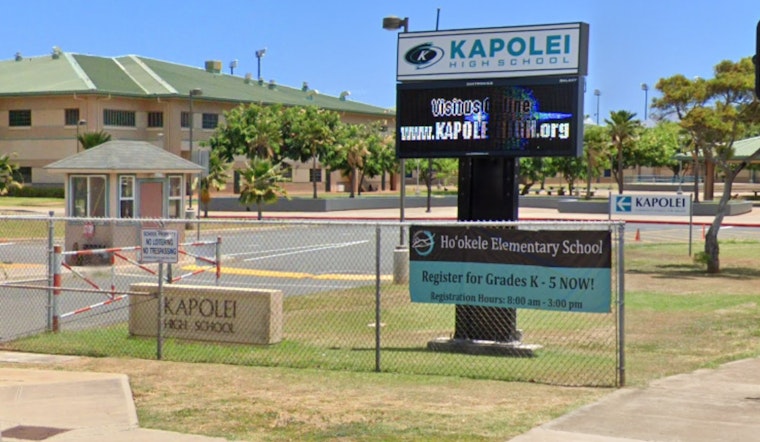
Armed officers are about to become a daily sight at three Oʻahu public high schools, as the Honolulu Police Department and the Hawaiʻi Department of Education roll out a new school resource officer pilot. Waiʻanae, Kapolei and Kaimukī high schools are first in line for dedicated on-campus officers, a move officials are pitching as both a safety boost and a way to build closer ties between students and law enforcement. The officers will mostly be retired or reserve personnel on short contracts, and they will be armed and wear protective gear while on campus. Civil-rights advocates and some parents are already raising red flags about the possibility of more student arrests and changes in how schools handle discipline.
How The Pilot Will Roll Out
The Honolulu Police Department and the Hawaiʻi Department of Education are jointly managing the pilot and are expected to spell out how it will unfold at a public event this week, according to KHON2. For now, officials say the first wave of placements will be at Waiʻanae, Kapolei and Kaimukī, as they finish ironing out schedules and assignments.
Waiʻanae High notified families that it “anticipates that the pilot will begin at Waiʻanae High next week” and described the program as an effort to “strengthen safety and support on campus while building positive relationships,” according to a message on the school's website. School leaders said the rollout follows planning between the Department of Education and HPD as they sort out staffing and logistics, and they urged families to watch for more detailed updates from administrators.
Who Will Serve On Campus
Instead of pulling officers off patrol, HPD plans to lean on retired officers and special-duty reserve officers hired on short-term contracts to staff the school resource officer posts, according to officials. Hawaii News Now reported that HPD cited ongoing staffing shortages and is using temporary contracts to get the pilot off the ground.
Reporting by Civil Beat notes that the officers have completed school-focused training and are expected to help conduct emergency drills, mentor students and advise on campus safety protocols. Civil Beat also reported that school resource officers on other islands have coordinated responses to hurricanes, active-shooter situations and missing-child cases, a playbook that local officials say they want to mirror on Oʻahu.
Supporters And Critics
Supporters argue that having trained officers on campus can help break up fights before they spiral and provide another trusted adult for students. Civil-rights advocates counter that the tradeoffs are significant. The ACLU of Hawaiʻi points to Department of Education data showing that most school-related arrests last year happened at campuses that already had officers, and the group is urging the state to put money into counselors and behavioral health services instead, according to ACLU of Hawaiʻi.
Some local elected officials who pushed for school resource officers say the program is a direct response to repeated incidents of violence and unrest at certain campuses and could be expanded if this first phase goes well. Civil Beat reported that several leaders, including council members and state lawmakers, have floated the idea of adding Nānākuli and other West Oʻahu schools if the pilot is considered a success.
Press Event And Next Steps
HPD officials have cautioned that any larger rollout will depend on union negotiations and funding, and they have acknowledged that the pilot schedule could shift if contract talks drag or staffing tightens further. Hawaii News Now reported that the department has said it cannot launch a full-scale program until it reaches agreements with the police union.
HPD and the Department of Education are slated to share more specifics at a joint press conference on Wednesday, Jan. 14, at Kaimukī High, according to KHON2. Parents and staff are expected to attend, and officials say they will outline how the officers will be supervised, how school discipline will intersect with police involvement and how the pilot's outcomes will be tracked.
As the program begins, school leaders say they will keep families in the loop directly, while city and state officials watch closely to decide whether to expand the model. The central questions now are how these officers will juggle enforcement and mentorship, and whether the added security presence reduces campus violence without driving up student arrests.





