

























































Austin's green sanctuaries just got a little bit greener—and more accessible. The Austin Parks Foundation, along with the City of Austin, proved this past year that they're in the park-improvement business, and folks, business is booming. Three significant projects marked 2025 with a stamp of progress, creating spaces where kids can swing and communities can mingle with the great outdoors. As reported by the City of Austin, these projects showcase a city that not only talks about enhancing community spaces but puts its money where its mouth is.
Children at the Metz Neighborhood Park were probably too busy enjoying the new ADA-compliant play structure to notice they were instrumental in bringing the project to life. Back in 2024, these sprightly consultants, attending Mendez Recreation Center, weighed in on the community engagement efforts. Come August 2025, they were the first to test out the new digs, including nature play elements and a shaded swing set funded by the community, under the watchful gaze of an old canon retained as an homage to the past. While funding came from a Certificate of Obligation, it's a reminder that honoring history can go hand in hand with modern accessibility.
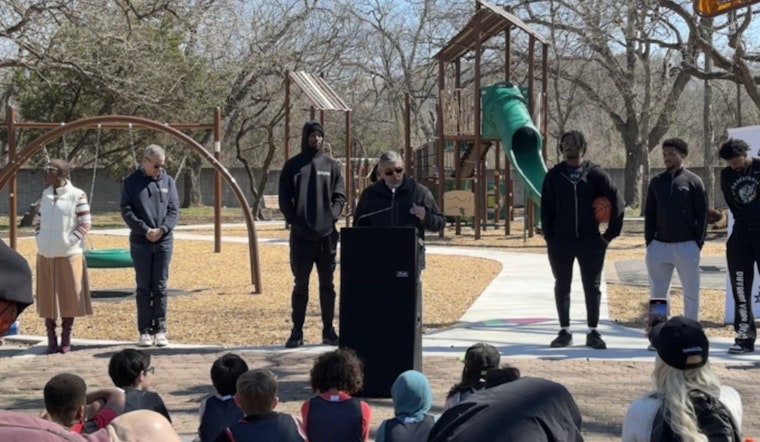
The charm of Davis/White Northeast Neighborhood Park gleams not just in its lush greenery but also in the iconic firetruck play equipment. Following community feedback, the delightful piece of nostalgia was buffed and shone, rather than replaced—a decision met with local applause at the February 16 ribbon-cutting ceremony. Keeping with the spirit of preservation, a new walking trail now arcs around the playground, safeguarding the towering pecan tree's roots, with funds flowing in from Certificates of Obligation, Austin Parks Foundation, and Spurs Give, as per the City of Austin. Clearly, Austin knows that sometimes, the best way forward is a careful step around a well-loved tree.
The Roy G. Guerrero Metropolitan Park boasts a new pedestrian bridge as of September 2025, spanning over Country Club Creek West—a testament to Austin's resolve in tackling environmental erosion head-on. Years of engineering analysis culminated in the largest-ever erosion control project undertaken by Austin Watershed Protection, not only replacing a compromised bridge but ensuring the land around it stays put. To sweeten the deal, the project was buffered by the planting of 1,065 caliper inches of trees, potentially turning Kreig Field into a verdant powerhouse.



