

























































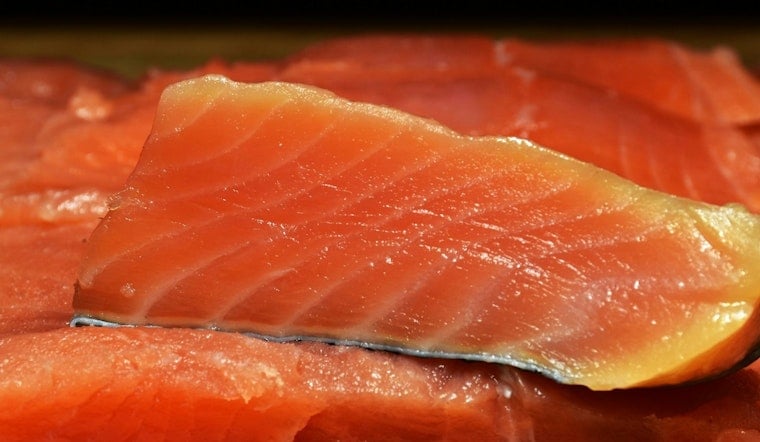
A federal judge has given lab-grown seafood and chicken companies a shot to keep their challenge to Texas’ new ban alive, but the law itself is still very much in force. U.S. District Judge Alan Albright ruled that the plaintiffs have a plausible dormant Commerce Clause claim and let the lawsuit move forward, yet he refused to pause enforcement while the case plays out. The ripple effects are already local: Otoko, the Austin omakase that briefly served Wildtype’s cultivated salmon, pulled the item from its tasting menu once the ban kicked in.
Judge Lets Case Move Ahead, Keeps Ban In Place
Judge Albright denied Texas’ bid to toss the companies’ dormant Commerce Clause claim and also turned down the plaintiffs’ request for a preliminary injunction, so the ban remains in effect during the litigation, according to the Institute for Justice. The case now heads into discovery, where both sides will dig for documents and expert testimony about what lawmakers were really trying to do and how the law works in practice. The companies say they plan to ask again for temporary relief once they have built a fuller factual record.
What SB 261 Actually Bans
The law at issue is Senate Bill 261. Its enrolled text makes “the offering for sale or sale of cell-cultured protein for human consumption” illegal and sets that restriction to expire Sept. 1, 2027, according to the Texas Legislature. The language targets commercial sales rather than federal approvals or narrow research exceptions, a distinction central to the companies’ legal theory. How the court interprets those words will influence whether SB 261 looks like a basic retail rule or a broader roadblock to interstate commerce.
Plaintiffs Call It Old-School Protectionism
Wildtype and UPSIDE, represented by the Institute for Justice, argue that lawmakers passed SB 261 to protect in-state ranching interests from new competitors. On that theory, the statute discriminates against out-of-state businesses and violates the Commerce Clause. Paul Sherman, the companies’ lead attorney, told the San Antonio Express-News that the case will require Texas to back up, with evidence, its decision to block consumer access to products that have already gone through federal review. The companies point to FDA and USDA evaluations clearing their products as support for the idea that this fight is about market protection, not food safety.
Local Fallout: Austin Loses Its Cultivated Salmon
Before the law took effect, Otoko in Austin was the only Texas restaurant publicly serving Wildtype’s cultivated salmon. After SB 261 passed, that tasting-menu course disappeared, according to the Texas Tribune. The brief debut and abrupt shutdown reportedly derailed plans to expand to other Texas restaurants and muddied conversations with investors. For chefs and diners who wanted to test-drive the new protein, the issue jumped from the plate straight into the courthouse.
What Happens Next In Court
With the dormant Commerce Clause claim surviving the state’s dismissal bid, the lawsuit will move through discovery and additional briefing before Judge Albright rules on the merits or on any renewed request for interim relief, the plaintiffs’ legal team has said, according to the Institute for Justice. UPSIDE is also challenging a similar Florida ban, part of a coordinated effort to test state-level prohibitions in multiple courts, as reported by Food Safety News. How aggressively Judge Albright scrutinizes lawmakers’ intent and the economic fallout could shape the fate of other state bans.
Why The Stakes Go Beyond One Austin Menu
The core dispute is whether a state can bar sales of a product that has cleared federal review without running into the Dormant Commerce Clause or federal preemption. Early cases in several states have survived initial challenges because courts want a fuller record on both motive and impact, according to the National Agricultural Law Center. A win for the companies could unsettle similar restrictions elsewhere, while a win for Texas would validate a state-by-state, agriculture-driven strategy for clamping down on cultivated protein sales.


