

























































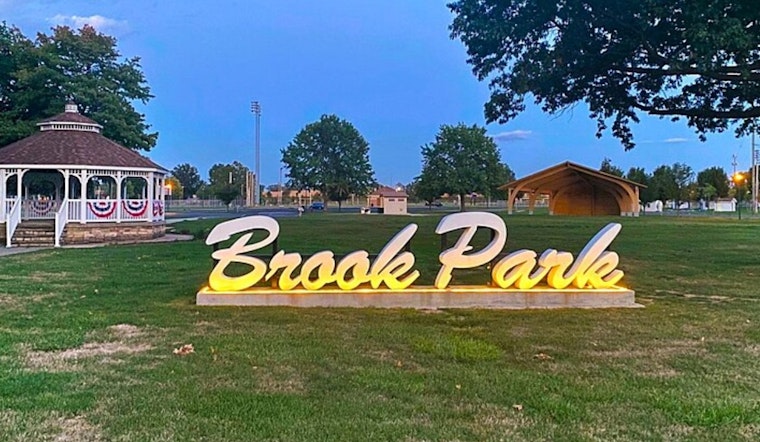
Brook Park officials and the Northeast Ohio Areawide Coordinating Agency (NOACA) are opening the floor to public discourse on the traffic implications brought on by the proposed new Cleveland Browns stadium. A meeting slated for Wednesday evening will be the stage for this dialogue, engaging residents with the specifics of transportation alterations and the infrastructure upgrades that are in the pipeline. Cleveland19 reports the event aims to cover a range of topics from roadways to transit service and overall mobility considerations.
The City of Brook Park, as host, stands on the cusp of significant change involving seven major infrastructure initiatives underscored by Mayor Edward Orcutt, who has made known the city's intent to exclude residential streets from stadium overflow traffic. According to a statement obtained by Cleveland.com, these initiatives are pivotal in handling the anticipated surge of vehicles during game days and events, with a spotlight on corridors and intersections like Brookpark Road at Henry Ford Boulevard.
The gathering, to unfold from 6 p.m. to 8 p.m. at Brook Park Elementary School Auditorium, is anticipated to present residents with current findings and project objectives, alongside an invitation to vocalize their opinions. Mayor Orcutt reaffirms the city's comprehensive evaluation of the transportation system, emphasizing that the influx of vehicles will be counteracted with carefully designed traffic controls and mitigation strategies, Cleveland19 notes.
Further compounding the city's anticipation, they remain hopeful that the Ohio Department of Transportation will engage with a considerable financial commitment to supplement these efforts. Brook Park leaders, as gleaned from the report by FOX8, have their sights set on a $70 million boost to bolster state roads for the impending traffic impacts. However, a conclusive vote on this funding will not occur until March.
In the interim, the fulcrum of this extensive urban planning rests on the shoulders of community engagement. NOACA describes the intention behind the January 14 meeting as a keystone forum for the public to inject insights directly influencing future infrastructure and transportation plans. Participants who cannot join in person have various channels to submit their concerns and suggestions, including email to NOACA and other digital platforms that ensure all voices have the potential to be heard and integrated into planning processes.





9-8-24_thumbnail_IMG_6781.jpg)