

























































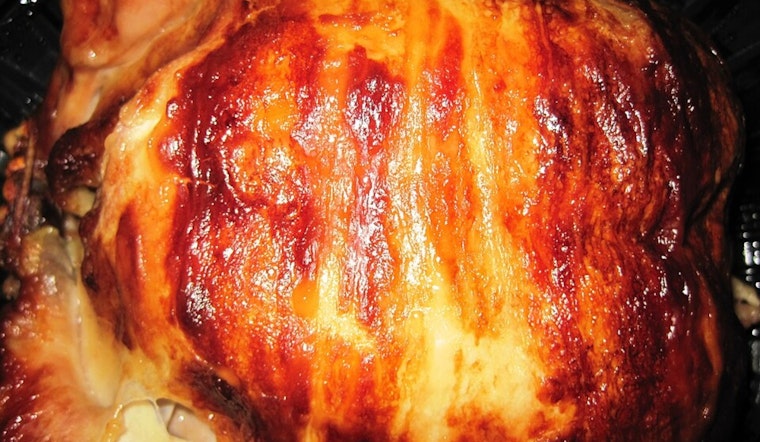
Costco’s beloved $4.99 rotisserie chicken has landed in legal hot water. A proposed class-action lawsuit says the warehouse giant lured in shoppers with “no preservatives” claims while the ingredient list quietly includes additives the plaintiffs argue function as preservatives. At the center of the dispute are in-store signs and online descriptions that customers say they trusted when tossing the budget bird into their carts.
The suit was filed Jan. 22 in the U.S. District Court for the Southern District of California by two California shoppers, Bianca Johnston and Anatasia Chernov. The pair say they bought Kirkland Signature Seasoned Rotisserie Chickens believing they were free of preservatives, according to the Los Angeles Times.
What Shoppers Say Costco Got Wrong
The complaint argues that Costco’s point-of-sale signs and online listings create an “overall net impression” that the chickens contain no preservatives. At the same time, the ingredient panel lists sodium phosphate and carrageenan in smaller print, which the plaintiffs say most shoppers would miss.
The filing includes photos of the in-store signage and contends that any disclosure of those additives was not prominent enough for reasonable consumers to notice, according to reporting by Allrecipes.
Costco’s Defense And What Regulators Allow
Costco has told news outlets it pulled the “no preservatives” language from signs and online product descriptions in order to keep its labeling consistent. The retailer says sodium phosphate and carrageenan are used to help with moisture retention, texture, and product consistency in the chickens, as detailed by the Los Angeles Times.
The company also points out that both ingredients are allowed by food-safety regulators. The Food and Drug Administration lists carrageenan among permitted hydrocolloids for use in food, which regulators say can be used at approved levels, and FDA materials explain that such ingredients fall under federal food-additive rules, according to the FDA.
Why A $4.99 Chicken Matters So Much
The plaintiffs say they would have paid less for the chickens, or skipped them entirely, if they had known about the additives. Their lawsuit seeks class certification and unspecified damages on behalf of customers across the United States.
The potential stakes are huge. Costco told investors on its fiscal 2025 earnings call that it sold more than 157 million rotisserie chickens that year, highlighting how many shoppers could fall into any certified class, according to the company transcript reported by Alphastreet.
Retail analysts have long described the $4.99 bird as a classic loss leader, a cheap staple that draws members into the warehouse where they are likely to buy far more profitable items. That is why questions about how the item is labeled can have outsize commercial consequences, as noted by The Street.
Legal Fight Just Getting Started
The complaint brings claims under consumer-protection and unfair-competition statutes and seeks to represent a nationwide class along with a California subclass, according to case summaries compiled by legal-watch services. ClassAction.org notes that the filing relies on California’s unfair-competition and false-advertising laws as well as Washington’s consumer-protection statutes.
For now the allegations remain just that: allegations, and no judge has ruled on whether Costco’s advertising actually crosses any legal lines. Expect the early rounds of this fight to play out in motions and briefs over the coming months as the two sides battle over class certification and the scope of the case.





